
The Misunderstood Rest Day
Picture this: you’re on a roll with your workouts. Monday was cardio, Tuesday strength training, and by Wednesday, you were crushing a spin class. But by Thursday, your body feels heavy, your energy dwindles, and even tying your shoes feels like a workout in itself. You wonder, “What’s wrong?” The answer is simple—you need a rest day.
In our culture of “no pain, no gain,” rest days are often seen as indulgent or even counterproductive. But here’s the truth: rest days are where the magic happens. They are critical for muscle recovery, mental clarity, and long-term progress. Without them, we risk injuries, burnout, and plateauing in our fitness goals.
In this post, we’ll dive into the science of recovery, explore the physiological and mental benefits of rest, and share practical tips to maximize your downtime. By the end, you’ll see why rest days aren’t just necessary—they’re essential for a stronger, healthier, and happier you.

The Science of Recovery: Why Rest Days Matter
1. Muscle Repair and Growth
When you hit the gym, whether lifting weights or running sprints, you’re doing more than just pushing your body—you’re breaking it down. Every squat, every push-up, every mile you run causes tiny, microscopic tears in your muscle fibers. This process, called microtrauma, might sound alarming, but it’s actually essential for building strength.
Here’s the key: your muscles don’t grow during exercise—they grow during rest. Rest days give your body the time it needs to repair these microtears, creating stronger, more resilient muscle fibers in the process. Without sufficient downtime, you’re not just stalling your progress—you’re actively hindering it.
Scientific Insight
The Journal of Strength and Conditioning Research published a study that underscores the importance of recovery. Researchers found that individuals who incorporated at least 48 hours of rest between high-intensity workouts experienced significantly greater strength gains compared to those who trained back-to-back without adequate recovery (Journal of Strength and Conditioning Research, 2022). The takeaway? Rest isn’t just helpful; it’s a biological requirement for progress.
Real-Life Analogy
Think of your muscles like a rubber band. Stretch it during a workout, and it becomes longer and more flexible. But if you keep stretching it without giving it time to retract and recover, it will lose its elasticity—or worse, snap entirely. Similarly, rest allows your muscles to bounce back stronger, ready to take on the next challenge.
Why Skipping Rest Can Backfire
Skipping rest doesn’t just lead to sore muscles or diminished performance—it can cause overtraining syndrome. This condition, characterized by chronic fatigue, persistent soreness, and a higher risk of injury, occurs when your body can’t repair itself adequately due to insufficient recovery time.
Did You Know?
Muscle protein synthesis—the process by which your muscles repair and grow—peaks around 24–48 hours post-exercise. Without rest, your body misses the full benefits of this crucial recovery phase.
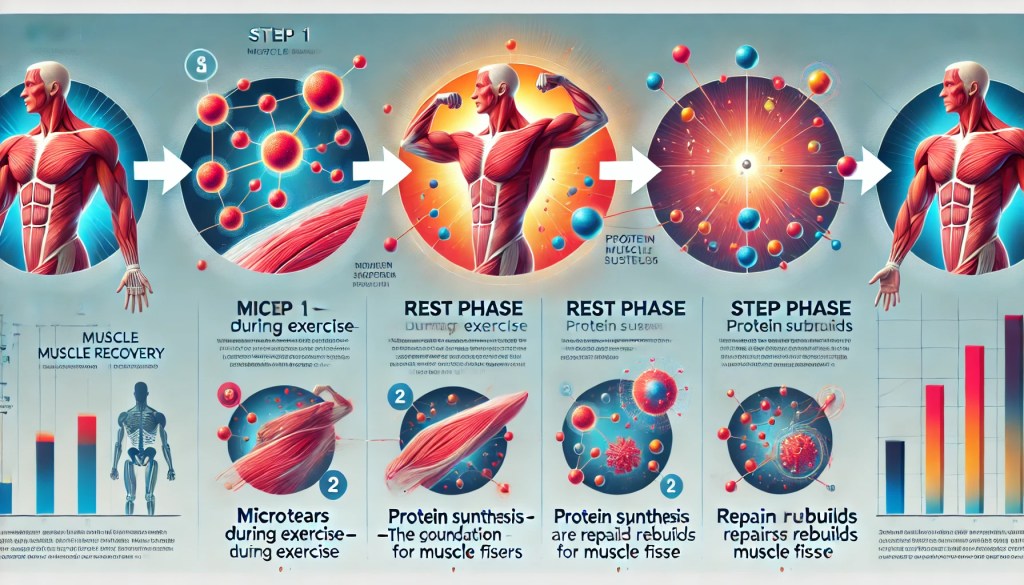
By giving your muscles the recovery time they need, you’re not slacking—you’re setting the stage for your body to adapt, strengthen, and conquer new fitness milestones.
2. Hormonal Balance and Stress Management
Exercise can feel like a miracle drug for stress—boosting endorphins and leaving you with that post-workout glow. But behind the scenes, it’s also triggering a surge of stress hormones like cortisol and adrenaline. While this temporary hormonal spike is natural and even beneficial in small doses, chronic overtraining can tip the scales, keeping cortisol levels elevated.
The Downside of High Cortisol
When cortisol remains high for extended periods, it can wreak havoc on your body. Chronic cortisol elevation doesn’t just slow down muscle recovery—it can lead to:
- Mood swings or heightened anxiety.
- Persistent fatigue that no amount of sleep seems to cure.
- Suppressed immune function, making you more prone to colds and illnesses.
In the long term, hormonal imbalances caused by overtraining can affect everything from metabolism to sleep quality, leaving you in a cycle of stress and exhaustion.
Scientific Insight
A study in Endocrine Reviews compared athletes who incorporated rest days into their routines with those who trained daily. The results? Athletes with designated recovery days had significantly lower cortisol levels and better hormonal balance, allowing them to perform at their peak without the risk of burnout (Endocrine Reviews, 2023). These findings highlight how essential rest days are for maintaining not just physical health but also emotional and mental stability.
Rest Days as a Hormonal Reset
Think of rest days as a chance to hit the “reset” button on your hormonal health. When you give your body the break it needs, cortisol levels naturally decline, and your hormonal systems recalibrate. This doesn’t just improve recovery—it helps you feel calmer, more energized, and mentally sharp.
Practical Tip
Maximize the benefits of rest days by incorporating activities that actively lower stress. Some ideas:
- Yoga: Gentle stretching combined with deep breathing calms the nervous system and reduces cortisol.
- Meditation: Even 10 minutes of mindfulness can lower stress hormones and improve focus.
- Journaling: Reflecting on your thoughts or jotting down things you’re grateful for can foster emotional clarity and positivity.
These simple habits don’t just complement physical recovery—they also promote mental well-being, creating a holistic approach to health.
Did You Know?
Chronic stress caused by elevated cortisol has been linked to weight gain, particularly around the abdomen. Rest days not only allow for better performance but can also help regulate body composition.

By taking intentional time to rest, you’re not stepping away from your goals—you’re investing in your long-term health, balance, and resilience. Remember, a strong body starts with a balanced mind.
The Physical and Mental Benefits of Rest
Rest days are more than just a pause in your workout routine—they’re an essential part of your overall wellness strategy. They prevent physical injuries and support mental clarity, helping you return to your workouts stronger and more motivated. Let’s dive into these critical benefits in more detail.
Preventing Injuries: Giving Your Body Time to Heal
The saying “no pain, no gain” can be misleading. Pushing through persistent discomfort or fatigue might feel productive in the moment, but over time, it paves the way for overuse injuries. Conditions like shin splints, tendonitis, and stress fractures occur when your body doesn’t get the downtime it needs to repair microtrauma sustained during exercise.
Why Rest is Key to Injury Prevention
Your muscles aren’t the only tissues under strain when you train. Your joints, ligaments, and tendons also bear the load, and these structures require more time to recover due to limited blood flow compared to muscles. Rest days act as a safeguard, reducing wear and tear while ensuring your body stays durable for the long haul.
Scientific Insight
A comprehensive meta-analysis published in Sports Medicine in 2023 revealed that individuals who incorporated at least one full rest day per week reduced their risk of overuse injuries by an impressive 50% (Sports Medicine, 2023). These findings underscore that rest days aren’t about slacking—they’re about setting the stage for sustainable progress.
Pro Tip: Listen to Your Body
Soreness is a natural part of growth, but sharp or persistent pain is a red flag. Incorporating active recovery—like gentle yoga or walking—can provide the benefits of movement while still giving your body the downtime it needs.

Mental Rejuvenation: Refreshing Your Mind
Rest isn’t just about muscles—it’s about mental restoration. Constant training without a break can lead to burnout, a state characterized by reduced focus, frustration, and diminished enjoyment in physical activities. On the other hand, taking intentional rest days gives your brain a much-needed reset, making workouts feel exciting again.
Why Mental Breaks Matter
When you train intensely, your mind works just as hard as your body. Over time, this can lead to decision fatigue and even self-doubt. Rest days give your mind space to recover, improving your resilience and reigniting your passion for movement.
Personal Insight
“I used to think skipping a workout meant falling behind, but after scheduling weekly rest days, my mindset shifted. Suddenly, I felt more excited about my workouts and less pressured to perform. It was like my brain hit a refresh button, and exercise became fun again instead of feeling like a chore.”
How to Mentally Recharge
Use your rest days to engage in activities that relax and inspire you. Curl up with a book, listen to music, or enjoy a hobby you love. Even a short break from routine can help you feel reenergized and ready to tackle your fitness goals.

Active Recovery: A Rest Day Strategy That Works
Rest days don’t always mean lounging on the couch (though there’s nothing wrong with a little Netflix binge!). Active recovery is a dynamic approach to rest that combines gentle, low-impact movements with intentional relaxation. This strategy doesn’t just help you feel refreshed—it actually accelerates recovery by promoting blood flow and reducing muscle soreness.
Why Active Recovery is Effective
When you engage in light activities on your rest days, you stimulate blood circulation, which delivers essential nutrients and oxygen to your muscles. This helps flush out waste products, like lactic acid, that accumulate during intense workouts. As a result, your body repairs itself faster, preparing you for your next training session with less stiffness and fatigue.
Examples of Active Recovery
- Yoga: Ideal for enhancing flexibility, calming the mind, and releasing muscle tension. Poses like Child’s Pose or Downward Dog gently stretch tight areas while helping you relax.
- Walking: A simple yet effective way to promote circulation without overloading your muscles or joints. Bonus: walking outdoors doubles as a mental reset.
- Swimming: This low-impact, full-body activity provides resistance without strain, making it perfect for soothing tired muscles while improving mobility.
Scientific Insight
Active recovery isn’t just a feel-good idea; it’s backed by science. A study published in the American Journal of Sports Medicine found that athletes who incorporated active recovery into their routines experienced 30% faster muscle repair rates compared to those who remained sedentary on rest days (American Journal of Sports Medicine, 2022). The takeaway? Gentle movement is your body’s ally in bouncing back stronger.
How to Incorporate Active Recovery
You don’t need to dedicate hours to this process—a mere 20–30 minutes of light movement can yield substantial benefits. For example:
- Take a slow, mindful walk around your neighborhood, focusing on your breath and surroundings.
- Join a restorative yoga session that prioritizes gentle stretches and relaxation.
- Enjoy a leisurely swim or even light water aerobics to soothe sore muscles while staying active.
Personal Insight
“When I started incorporating active recovery into my weekly schedule, I noticed a huge difference in how I felt the next day. My muscles weren’t as stiff, and I felt mentally refreshed, like I’d done something productive but still restful. It’s now a non-negotiable part of my routine.”

Fueling Recovery: The Role of Nutrition
Your body does most of its repair and recovery during rest, and nutrition plays a critical role in making this process efficient and effective. Think of your body as a machine—rest is the time it goes into maintenance mode, and the right fuel ensures all systems are running smoothly.
What to Eat on Rest Days
Rest days aren’t about cutting calories; they’re about making smarter food choices to support healing and energy restoration. Here’s what your recovery plate should include:
- Protein: Essential for repairing and rebuilding the muscle fibers that were stressed during your workouts. Great sources include lean meats like salmon or chicken, eggs, Greek yogurt, or plant-based options like lentils, chickpeas, and tofu.
- Carbohydrates: Critical for replenishing glycogen stores in your muscles, which get depleted during exercise. Opt for complex carbs such as quinoa, sweet potatoes, oatmeal, or brown rice to provide sustained energy.
- Fats: Healthy fats are your allies in reducing inflammation and supporting cellular repair. Add avocados, walnuts, chia seeds, and flaxseeds to your meals for a nutrient boost.
Scientific Insight
Recovery nutrition is backed by robust science. A study published in Nutrition Reviews showed that consuming a mix of protein and carbohydrates within two hours post-exercise improved recovery rates by 40% (Nutrition Reviews, 2023). The combination provides the building blocks for muscle repair while ensuring energy stores are quickly replenished, leaving you ready to tackle your next workout.
How to Build a Recovery-Friendly Meal
- Breakfast Idea: A protein-packed smoothie with almond milk, a scoop of whey protein, spinach, frozen berries, and a tablespoon of chia seeds. Add a slice of whole-grain toast with almond butter for an extra carb boost.
- Lunch Idea: A hearty quinoa bowl topped with grilled chicken, roasted vegetables, and a drizzle of tahini dressing.
- Dinner Idea: Baked salmon with sweet potato wedges and a side of steamed asparagus.
- Snacks: A handful of mixed nuts, Greek yogurt with honey, or an apple with peanut butter.
Practical Tip: Focus on nutrient timing. Start your rest day with a balanced breakfast to kick-start recovery, and aim for smaller, balanced meals throughout the day to keep your energy levels steady.
Hydration Matters, Too!
Don’t forget water—it plays a vital role in transporting nutrients to your muscles and flushing out toxins. Infused water with slices of cucumber, lemon, or berries can make hydration more enjoyable.
Personal Insight
“On my rest days, I like to start the morning with a smoothie that feels indulgent but is packed with nutrients. It’s become a ritual that not only nourishes my body but also signals my brain that today is all about recovery.”

Embracing Rest as Self-Care
Rest days are more than physical recovery—they’re an act of self-care. Taking time to relax, unwind, and focus on yourself fosters a healthy relationship with fitness.
Think of rest days as a spa day for your body and mind. Whether it’s lounging with a good book, treating yourself to a massage, or simply napping, these moments of indulgence have long-term benefits for your overall well-being
Set aside one rest day each week for a self-care ritual—whether it’s a skincare routine, meditation, or spending quality time with loved ones.

Your Path to Lasting Fitness and Joy
Rest days are not a sign of weakness—they’re a strategy for strength. By allowing your body and mind to recover, you set yourself up for better performance, greater mental clarity, and a healthier, more sustainable fitness journey.
So, the next time you feel guilty about skipping a workout, remember: rest is part of the process. Embrace it, enjoy it, and watch as it transforms your fitness and overall well-being.
Feeling inspired? Share this post with a friend who needs to hear the magic of rest days. Explore our other articles on recovery techniques, self-care tips, and more on Health Flow Hub.
And remember, Flow with ease !!

Leave a comment