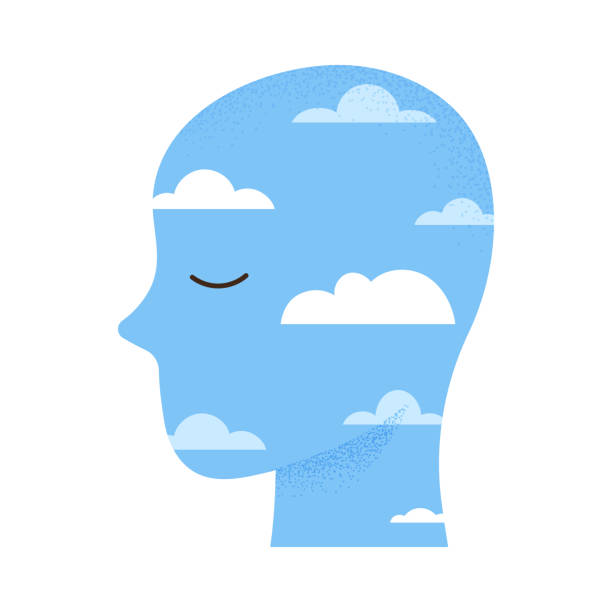
Technology is inextricably part of our lives. From waking up to the soft glow of our phones to the unrelenting barrage of emails, notifications, and endless social media scrolls, technology surrounds us. Undeniably, technology has revolutionized the way we connect, work, and amuse ourselves. However, with this revolution also come unique challenges for our minds and bodies.
Ever reached the end of a long day, having stared at screens nonstop, or feel like you’ve been through the wringer after hours on social media? You are not alone. The good news is you can get balanced again without having to unplug. Mindful tech use means being intentional, present, and strategic with your digital habits, so technology serves you instead of the other way around.
In this blog post, we’ll explore how excessive screen time impacts your brain, body, and emotions, how to take control of your digital habits, and actionable strategies to maintain harmony between productivity and peace of mind. Ready to reclaim your life from the digital hamster wheel? Let’s dive in.
The Digital Dilemma: How Technology Impacts Your Mind and Body
Cognitive Overload and Decision Fatigue
In today’s hyper-connected world, the constant ping of notifications, emails, and reminders pulls us in countless directions. The average person now checks their phone 96 times a day, roughly once every 10 minutes (Asurion). Each buzz may be harmless, but every interruption makes your brain switch gears. This constant juggling creates cognitive overload, where mental resources become stretched thin, leading to decreased focus, slower decision-making, and heightened stress levels.
Scientific Insight
Multitasking might feel productive, but science says otherwise. Research published in the Journal of Applied Psychology discovered that task-switching, constantly shifting attention between activities, can slash productivity by up to 40%. Even a single distraction can derail your workflow, taking your brain an average of 23 minutes to fully refocus on the original task.
This phenomenon is called resumption lag, and it’s why quick glances at your phone often spiral into prolonged distractions. The mental effort of re-orienting yourself to what you were doing before the interruption can sap your energy and extend the time needed to complete tasks.
Imagine this: You are in the middle of writing a very important report. Your phone buzzes; it is a group chat notification. You open it, laughing at some funny meme that someone shared. “Just a quick scroll,” you say to yourself as you open Instagram. The next thing you know, you’ve fallen deep into reels and TikToks twenty minutes later. By the time you get back to your report, the train is gone, and you’re struggling to pick up where you left off.
Sound familiar? You’re not alone, this is the mental toll of constant task-switching.
Practical Tips to Combat Cognitive Overload
- Turn Off Non-Essential Notifications: Only allow alerts for critical apps, like calendar events or emergency calls.
- Time Block Your Day: Dedicate specific periods to focused work without interruptions. Use apps like Focus@Will or the Pomodoro technique to manage your time.
- Create a “Notification-Free Zone”: When working on high-focus tasks, put your phone in another room or enable airplane mode.
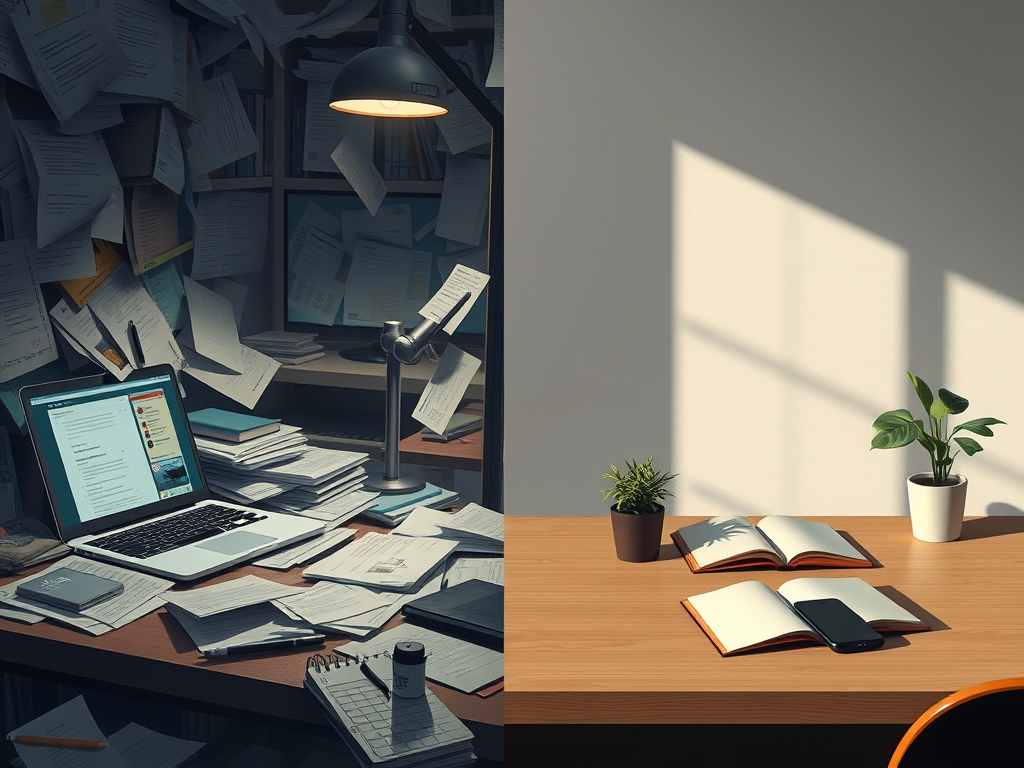
By taking intentional steps to limit distractions, you can reclaim your focus, boost productivity, and feel less mentally drained at the end of the day. Technology should enhance your life.
Mental Health Challenges: The Dark Side of Screen Time
While technology connects us in extraordinary ways, its shadow side can’t be ignored. Social media, designed to engage and entertain, often fosters anxiety, depression, and feelings of inadequacy. Platforms like Instagram and TikTok showcase picture perfect lives, vacation snapshots, flawless selfies, and highlight reels of success, that can leave us feeling we’re falling short in comparison.
Scientific Insight
The American Journal of Psychiatry uncovered a striking connection: individuals spending more than three hours daily on social media were twice as likely to experience symptoms of depression and anxiety (American Journal of Psychiatry). The curated, filtered nature of these platforms distorts our perception of reality, bombarding us with unattainable standards of beauty, success, and happiness. This phenomenon, called social comparison theory, is particularly harmful because it’s passive; we don’t realize the toll it takes until the feelings of inadequacy creep in.
Moreover, the dopamine spikes triggered by likes, comments, and shares can create a cycle of dependency, where we seek validation online rather than focusing on internal fulfillment. The more we scroll, the more we crave, leaving us emotionally drained and disconnected from the real world.
Practical Tip
Combat the negative effects of social media with intentional use:
- Set App Limits: Use your phone’s built-in tracking features to cap daily social media time. For example, allow 30 minutes for Instagram and Facebook combined.
- Time Your Scrolling: Schedule social media check-ins during specific periods, like after lunch or before dinner, instead of letting it interrupt your entire day.
- Curate Your Feed: Follow accounts that inspire positivity, education, and growth while unfollowing those that make you feel inadequate.
Now, put yourself in a room filled with all types of crazy mirrors that make you look far from your best. That is what excessive social media consumption does: it distorts your view of reality. But once outside, it’s as if you walk out into the world, seeing yourself as you really are, in a world that is vibrant, real, and unfiltered.

By being mindful of how and when you engage with technology, you can minimize its darker effects on mental health and reclaim your sense of self-worth, no filters needed !
Physical Strain: Tech Neck and Digital Eye Strain
Ever found yourself rubbing your neck or squinting after hours of screen time? You’re not alone. “Tech neck” and digital eye strain are two common physical ailments of the digital age. These issues stem from poor posture, prolonged screen use, and ignoring your body’s natural limits.
Tech Neck occurs when you hunch over your devices, creating excessive strain on your cervical spine. For every inch your head tilts forward, the pressure on your neck doubles, imagine carrying a 10-pound weight around all day! Meanwhile, digital eye strain (also known as computer vision syndrome) results from staring at screens too long without breaks. Symptoms include dryness, blurry vision, headaches, and even difficulty focusing.
Scientific Insight
- Neck and Back Pain: A study published in the British Journal of Occupational Health found that over 70% of office workers experience chronic neck and back pain due to poor screen ergonomics (British Journal of Occupational Health). Constant slouching compresses your spine and increases the likelihood of tension headaches.
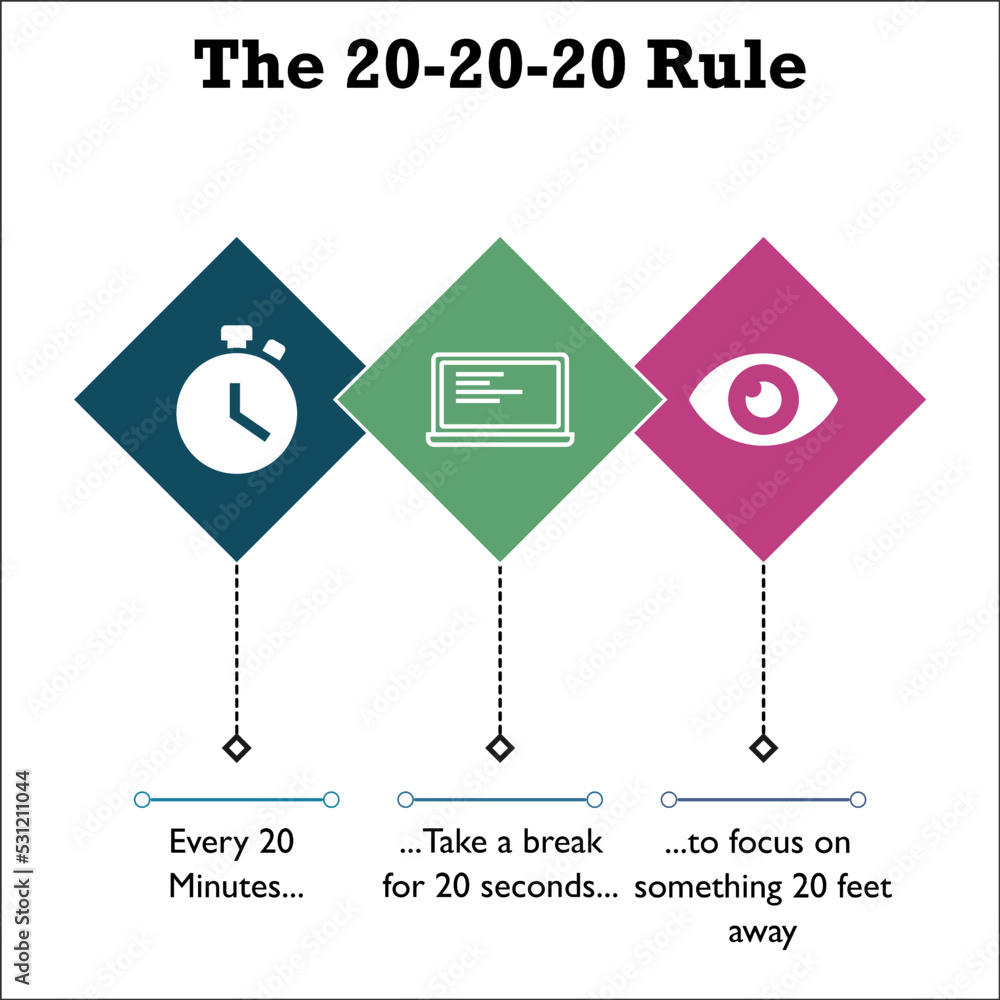
- Eye Health: The American Optometric Association advises practicing the 20-20-20 rule: every 20 minutes, look at an object 20 feet away for 20 seconds. This simple habit helps relax your eye muscles, preventing strain caused by constant focus on close-up screens.
Practical Tip
- Ergonomic Setup: Elevate your laptop or monitor to eye level using a stand or a stack of books. This keeps your neck in a neutral position.
- Stretch Often: Incorporate neck and shoulder stretches into your daily routine. For example, gently tilt your head side to side, then forward and backward to relieve tension.
- Invest in Eye Protection: Blue-light-blocking glasses can reduce strain and protect your eyes from the harmful effects of prolonged screen exposure.
- 20-20-20 Rule: Set a timer or use a screen app reminder to practice this simple but effective eye relaxation technique.
Picture yourself glued to your laptop during a marathon work session. Your neck feels stiff, your eyes are dry, and a dull headache begins to creep in. Now imagine taking two minutes to stretch, adjusting your chair and screen, and looking out the window at the trees swaying in the breeze. That small adjustment can make a world of difference.
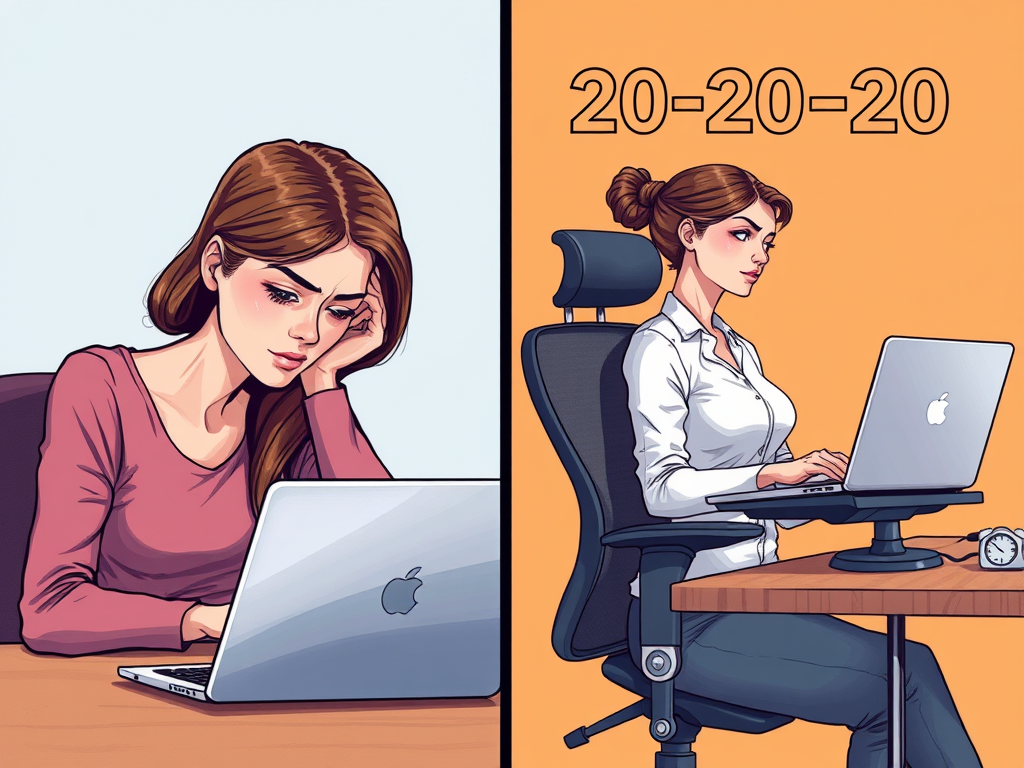
Your neck and eyes are unsung heroes of productivity, quietly enduring the brunt of your digital habits. Treat them with care by improving your posture, building in breaks, and being mindful of how you use your screens. A little effort goes a long way in preventing discomfort and maintaining your overall well-being.
The Science of Mindful Tech Use
Understanding Dopamine Loops: Why It’s Hard to Disconnect
Ever wondered why you can’t stop scrolling down your phone when you know you must put it down? Here, the villain is dopamine-a neurotransmitter normally referred to as the “feel-good chemical.” The reward system of the brain reinforces pleasurable or gratifying behaviors through the neurotransmitter dopamine. The problem is that, with the way technology has been engineered, it is manipulating this course of nature and making it incredibly difficult to unplug.
The Dopamine Cycle in Action
Each time you get a like, see a notification, or receive a message, your brain releases a small surge of dopamine. This creates a positive reinforcement loop, essentially, your brain says, “That felt good; let’s do it again!” Over time, this behavior becomes habitual, and you find yourself reaching for your phone out of reflex, even without a specific purpose.
Scientific Insight
A study published in the Journal of Behavioral Addictions found that excessive social media use activates the same brain pathways involved in substance addiction (Journal of Behavioral Addictions). The continuous cycle of reward anticipation and fulfillment mimics the highs and cravings seen in drug dependency. This explains why you might feel a compulsion to check your phone repeatedly throughout the day.
Moreover, variable rewards, unpredictable outcomes like how many likes a post will get—intensify this effect. It’s akin to a slot machine: sometimes you win big (a viral post), and other times you don’t, but the possibility of a reward keeps you coming back.
Let’s say you’re waiting in line at a coffee shop. You pull out your phone and think, “I’ll just check TikTok for five minutes.” Suddenly, you’re laughing at a video about cats, then you stumble upon a sourdough bread tutorial, and before you know it, an hour has disappeared. Sound familiar? This is a textbook dopamine loop at work—each video or notification keeps your brain craving more.
Breaking the Cycle
To break free from this loop, you need to create barriers between yourself and the dopamine-driven urge to check your phone.
- Practical Tips:
- Turn Off Non-Essential Notifications: Fewer interruptions mean fewer dopamine spikes drawing you back.
- Schedule Screen-Free Periods: Dedicate specific hours to being completely offline, such as during meals or an hour before bedtime.
- Use Grayscale Mode: Changing your phone to black-and-white reduces its visual appeal, making it less enticing to scroll endlessly.
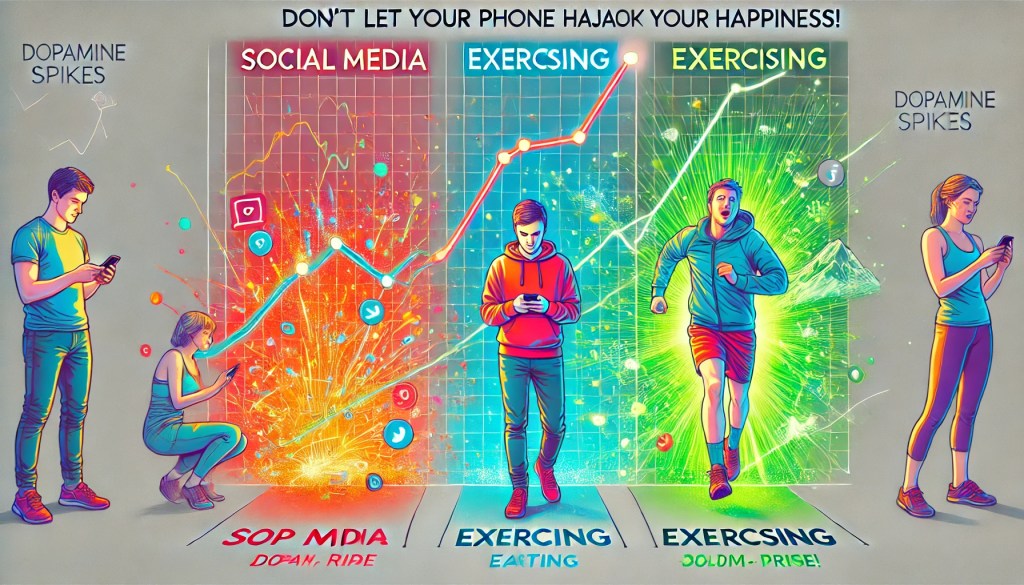
Your phone isn’t inherently bad, but understanding how it manipulates your brain chemistry empowers you to use it intentionally. By breaking free from the dopamine loop, you reclaim not just your time but also your mental clarity and happiness. Ready to start? Set that phone down, your well-being will thank you!
Reclaiming Control: Practical Mindful Tech Strategies
In today’s hyperconnected world, setting boundaries with technology isn’t just a luxury, it’s essential for mental clarity and overall well-being. The good news? It doesn’t mean abandoning your devices completely. Instead, it’s about using them intentionally to serve your goals, rather than being a servant to endless notifications. Here’s how to take back control.
1. Set Tech Boundaries
Creating healthy limits around technology usage can prevent it from encroaching on the parts of life that truly matter. Like your relationships, creativity, and peace of mind.
Practical Steps to Create Boundaries
- Morning Detox:
Instead of starting your day scrolling through social media or emails, dedicate the first hour to tech-free activities like journaling, meditating, or gentle stretching. This sets a calm, focused tone for the day ahead. - Scheduled Tech Time:
Constantly checking emails or social media can fragment your attention. Instead, block specific times in your day for these activities. For instance, check emails at 10 a.m. and 3 p.m., and limit social media to 20 minutes in the evening. - Digital-Free Zones:
Designate areas in your home where devices are not allowed, such as the dining table or bedroom. These spaces become sanctuaries for connection and relaxation, free from digital distractions.

2. Embrace Digital Detox Activities
Unplugging doesn’t mean boredom, it’s an opportunity to rediscover the joy of offline activities that nourish your mental and physical health.
Ideas for Digital-Free Activities
- Outdoor Walks:
Reconnect with nature by taking a walk in the park or hiking a nearby trail. The fresh air and sunlight do wonders for your mood and energy levels. - Creative Hobbies:
Engage in activities like painting, baking, or playing an instrument. These pursuits stimulate your brain in ways screens can’t, boosting both creativity and happiness. - Mindful Moments:
Dedicate time to meditation or deep breathing exercises. Just 10 minutes of mindfulness can reduce stress and improve focus, leaving you feeling more centered.

3. Use Technology Wisely
Instead of letting technology control you, leverage it to support mindfulness, productivity, and balance.
Apps to Enhance Your Life
- Headspace:
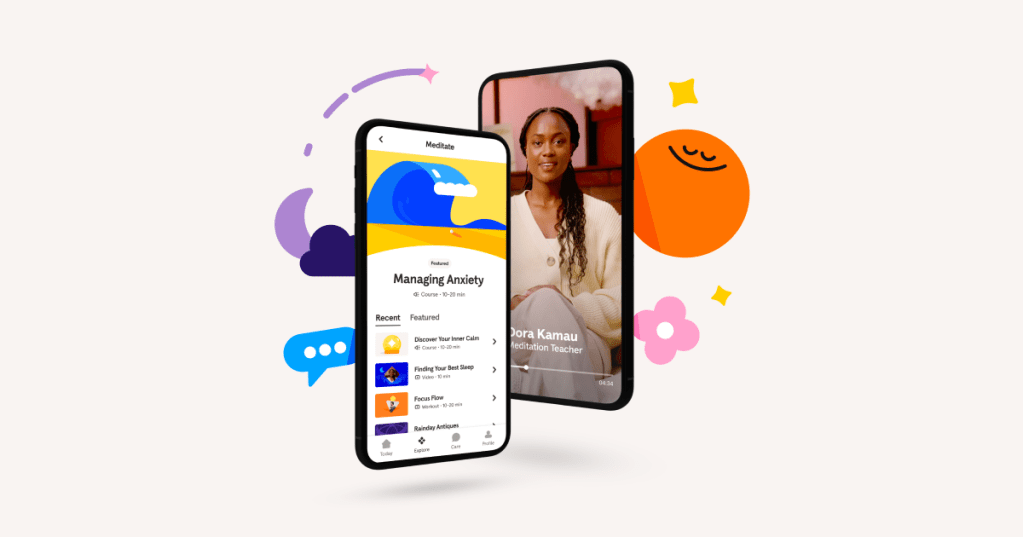
A meditation app offering guided sessions for beginners and seasoned meditators alike. From stress relief to better sleep, it has something for everyone. - Forest:
A productivity app that gamifies focus. Plant a virtual tree that grows as you stay focused—leave the app, and your tree withers. It’s a fun way to stay off your phone. - Screen Time Apps:
Tools like Apple’s Screen Time or Android’s Digital Wellbeing help you monitor your daily screen use and set limits to prevent overindulgence.
Practical Tip:
Combine these tools with mindfulness practices. For instance, use Headspace in the morning during your tech-free hour, and rely on Forest during work to stay on task.
Why It Matters
Taking these steps to set boundaries, embrace offline moments, and use technology wisely not only boosts your productivity but also recharges your mental health. By reclaiming control over your tech habits, you’re creating space for what truly matters such as relationships, creativity, and inner peace.
Are you ready to transform your tech habits? Start small: choose one tip to implement today and experience the difference it makes. Share your progress in the comments below, and explore other Health Flow Hub articles for more tips on living harmoniously with technology.
Your Path to Tech-Life Balance
Technology is a powerful tool, but like all tools, it’s most effective when used wisely. By setting boundaries, practicing mindfulness, and prioritizing rest, you can harness the benefits of technology without letting it take over your life.
Start small: pick one strategy from this post and implement it today. Share your experience in the comments below or tag a friend who needs to hear this. Explore more tips and articles on Health Flow Hub to continue your journey toward a healthier, more balanced life.

By embracing these strategies, you’re not just improving your relationship with technology; you’re cultivating a lifestyle that values presence, connection, and peace. Stay tuned to Health Flow Hub for more insights and inspiration on living your best, most harmonious life. And remember, Flow with ease !!

Leave a comment