
Introduction: A Healing Superpower Within Us
Picture this: You’re lying awake at night, replaying an argument with a friend or a mistake from years ago. The hurt feels fresh, the anger sharp. Meanwhile, the person who upset you might be sound asleep, blissfully unaware of your turmoil. Sounds familiar?
Now imagine this: What if you could release that emotional weight and feel lighter, calmer, and even healthier? What if the act of forgiveness, often misunderstood as a favor to someone else, could be the most profound act of self-care you ever perform?
Forgiveness is not just a moral concept but a scientifically-backed tool that can transform your mental health and physical well-being. In this guide, we’ll explore:
- The science behind forgiveness and its effects on your brain and body.
- Why holding onto grudges is more harmful than you think.
- Step-by-step strategies to integrate forgiveness into your daily life.
By the end of this article, you’ll see forgiveness not as a gift to others, but as the ultimate gift to yourself, a gateway to freedom, peace, and personal growth.
What Is Forgiveness (And What It’s Not)
Let’s take a moment to address a common misunderstanding about forgiveness: It’s not about giving someone a free pass for their actions. Forgiveness isn’t about excusing harmful behavior or pretending everything is fine. It doesn’t mean erasing the hurt or even reconciling with the person who caused the pain.
What Forgiveness Truly Is
At its core, forgiveness is about you. It’s the conscious and deliberate choice to release the heavy burden of anger, resentment, and bitterness. It doesn’t mean you condone the behavior, forget the incident, or downplay your emotions. Instead, it’s about freeing yourself from the mental and emotional chains of that experience.
Forgiveness allows you to say, “This no longer has power over me.” By letting go of the negativity, you reclaim your peace, energy, and focus.
The Surprising Twist: Forgiveness Is Self-Care
Here’s the reality check: Forgiveness isn’t really for the other person, it’s for you. Think of it this way: Holding onto anger or resentment is like holding a burning coal, expecting it to hurt someone else. The only one who gets burned is you.
When you forgive, you stop giving someone else control over your emotions and mental space. You’re not saying, “What you did is okay.” Instead, you’re saying, “I refuse to let this define or control me anymore.”
Key Insight from Psychology
Psychologists describe forgiveness as a deliberate process of ongoing effort to release feelings of resentment and anger. It involves acknowledging the harm caused, processing your emotions, and consciously choosing to let go (American Psychological Association, 2020).
Forgiveness is one of the ultimate acts of self-compassion. It says, “I care about myself enough to let this go.”

The Science of Forgiveness: What Happens in Your Brain
Forgiveness is often seen as an emotional or moral choice, but it’s so much more than that. At its core, forgiveness triggers a cascade of biological changes in your brain that can improve your mental and physical well-being. Understanding what happens in your brain when you forgive can make the process feel less abstract and more empowering.
How Your Brain Responds to Forgiveness
- Reduction in Stress Hormones
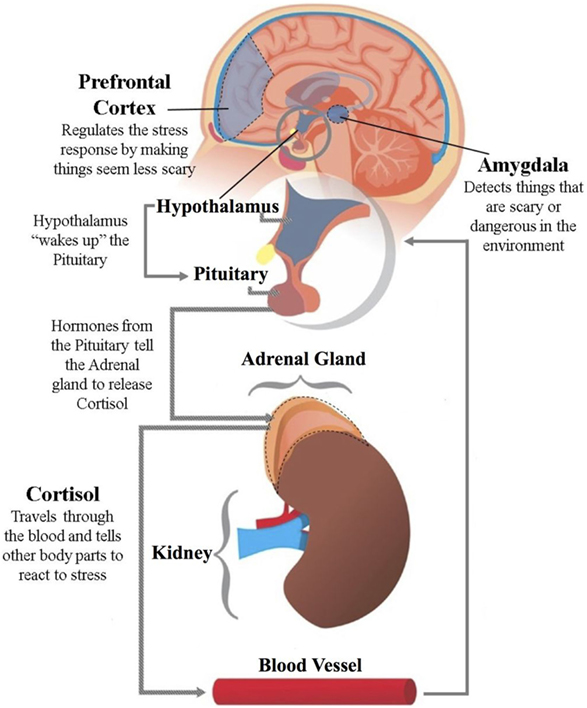
When you’re angry or resentful, your brain perceives a threat, activating the amygdala, the area responsible for fear and anger. This sends your body into a fight-or-flight response, releasing cortisol, the stress hormone.
Why It Matters: Prolonged cortisol elevation can lead to a weakened immune system, high blood pressure, and even memory problems. Forgiveness calms the amygdala and reduces cortisol production, helping your body relax and your mind feel more at ease.
- Activation of Empathy Centers
When you choose forgiveness, your prefrontal cortex, the brain’s center for rational thinking, empathy, and decision-making. This activation shifts your focus away from reactive emotions and toward a more objective, compassionate view of the situation.
Why It Matters: A more active prefrontal cortex helps you regulate emotions, cultivate empathy, and make balanced decisions instead of reacting impulsively.
- Improved Brain Plasticity
Neuroplasticity, the brain’s ability to form new connections and adapt, is enhanced when you practice forgiveness. This means you’re literally rewiring your brain to let go of negative thought patterns and embrace healthier, more constructive perspectives.
Why It Matters: Forgiveness becomes easier over time, and you’ll find it simpler to break free from the grip of anger or resentment.
Did You Know?
A groundbreaking 2017 study published in Frontiers in Psychology examined the effects of forgiveness on brain activity. Researchers found that individuals who forgave others showed:
- Decreased activity in the amygdala, meaning less fear and anger.
- Increased activity in the prefrontal cortex, indicating improved rational thought and emotional regulation.
In essence, forgiveness shifts your brain’s focus from reactive emotions to thoughtful processing, fostering peace and resilience.
The Health Benefits of Forgiveness
Forgiveness is often thought of as a gift to someone else, but in reality, it’s one of the best gifts you can give yourself. Beyond the emotional relief, forgiveness offers a range of mental and physical health benefits that can transform your overall well-being. Let’s dive into how letting go of resentment and anger can make you not only happier but healthier too.
1. Mental Health Boost
Forgiveness has a profound impact on your mental well-being, acting like a reset button for your emotional health.
- Reduces Anxiety and Depression
Holding onto negative emotions can keep your brain stuck in a cycle of stress and sadness. A study in the Journal of Behavioral Medicine found that forgiveness interventions, structured exercises to promote forgiveness, significantly lowered symptoms of anxiety and depression. This happens because forgiveness allows you to release pent-up anger and focus on positive emotions instead. Example: Imagine finally letting go of that grudge against your coworker. The result? Fewer sleepless nights replaying old arguments and more emotional bandwidth for the things that truly matter. - Improves Emotional Resilience
Forgiveness teaches you to bounce back from setbacks, fostering emotional stability. It’s like building an emotional immune system, each act of forgiveness strengthens your ability to handle future challenges without being overwhelmed. - Enhances Self-Esteem
Forgiveness isn’t about excusing someone’s behavior; it’s about reclaiming your power. By forgiving, you remind yourself that your happiness isn’t dictated by others’ actions. This self-empowerment naturally boosts your confidence and self-worth.
2. Physical Health Perks
Your body feels the weight of resentment just as much as your mind does. Forgiveness has tangible benefits for your physical health.
- Lowers Blood Pressure
Chronic anger can keep your blood pressure elevated, putting strain on your heart and increasing the risk of heart disease. Forgiveness, by contrast, promotes relaxation and helps normalize your blood pressure. It’s like a soothing balm for your cardiovascular system. - Strengthens Your Immune System
Stress and anger suppress your immune function, making you more susceptible to illnesses. When you forgive, your stress levels drop, and your immune system gets a much-needed boost. You’re less likely to catch that seasonal flu or feel run down.
Case Study: The Pain-Forgiveness Connection
A fascinating study published in the Journal of Pain Research in 2018 explored the link between forgiveness and physical discomfort. Participants suffering from chronic pain engaged in forgiveness exercises over six weeks. The results were remarkable: they reported a 15% reduction in pain levels, along with a noticeable improvement in emotional well-being. This highlights how deeply intertwined our emotional and physical health truly are.
By forgiving, you’re not just easing emotional burdens, you’re actively reducing physical pain and improving your quality of life.
The High Cost of Holding Grudges
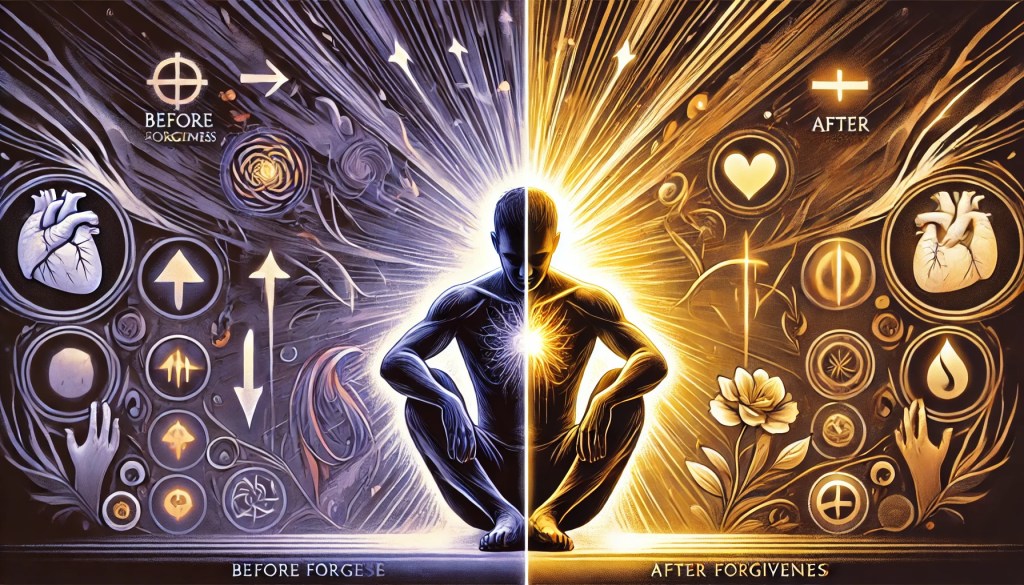
Grudges often feel like a natural reaction to being hurt—it’s a way of acknowledging the wrongs done to you. But while the pain might have been unavoidable, clinging to resentment is a choice, and it comes at a high cost. Let’s break down what holding onto grudges does to your emotional and physical well-being, and why letting go might be the best gift you can give yourself.
The Emotional Cost of Grudges
When you hold onto a grudge, it’s as if your mind is stuck in an endless replay of the hurtful event. This cycle can trap you in negative emotions that affect your daily life.
- Stuck in the Past
Holding a grudge keeps you tethered to the moment of pain, making it harder to live fully in the present. Instead of focusing on what’s happening now, your thoughts are consumed by the injustice of what happened before. - Emotional Exhaustion
Resentment isn’t passive, it takes energy to keep reliving those moments and justifying your anger. Over time, this can drain your emotional reserves, leaving you irritable, anxious, or simply worn out.
Quick Tip: Journaling about your feelings or talking to a trusted friend can help you process the pain and begin to let it go.
The Physical Toll of Resentment
Resentment isn’t just an emotional burden; it takes a serious toll on your body too.
- Chronic Stress Response
When you hold onto anger, your body remains in a constant state of fight-or-flight. This floods your system with stress hormones like cortisol, which can lead to headaches, insomnia, digestive issues, and even heart disease. - Impact on Brain Health
Chronic stress doesn’t just affect your body, it impacts your brain too. Over time, elevated cortisol levels can shrink the hippocampus, the part of the brain responsible for memory and learning. Essentially, holding a grudge could make it harder for you to focus, learn new skills, or recall important information.
Picture this: You’re dragging a heavy suitcase full of bricks everywhere you go. Each brick represents a grudge or unresolved resentment you’re holding onto. The suitcase slows you down, tires you out, and makes every step harder than it needs to be.
Forgiveness isn’t about pretending the bricks don’t exist or denying the weight of what happened. It’s about recognizing that carrying them is exhausting and deciding to set them down. By letting go, you’re freeing yourself to move forward without the unnecessary burden.
Forgiveness isn’t about forgetting, it’s about freeing yourself from the emotional and physical cost of carrying grudges.

How to Cultivate Forgiveness in Your Life
Forgiveness is not a one-time act; it’s a practice that requires intention and patience. Like a muscle, it gets stronger the more you work on it. While the process might feel daunting, the rewards, emotional freedom, mental clarity, and even physical health benefits. Here’s a step-by-step guide to weaving forgiveness into your daily life.
1. Acknowledge the Hurt
The first step in forgiveness is confronting the pain rather than burying it. Allow yourself to name the source of your hurt and fully experience the emotions tied to it.
- Why This Matters: Suppressing anger or resentment doesn’t make it disappear; it only prolongs the healing process. Acknowledging the hurt is the foundation for letting it go.
- What You Can Do: Reflect on the event in a safe, private space. Ask yourself: What happened? Why does it hurt? Naming your emotions (e.g., anger, sadness, betrayal) can be surprisingly freeing.
Pro Tip: Speaking with a trusted friend, counselor, or therapist can provide additional clarity and validation.
2. Practice Empathy
This step is often the hardest but also the most transformative. Empathy doesn’t mean you condone someone’s behavior, it simply means trying to understand their perspective.
- Why This Matters: Empathy shifts the focus from blame to understanding, which can dissolve the intensity of your anger.
- How to Practice: Ask yourself: What might have motivated their actions? Were they acting out of fear, pain, or ignorance? While their behavior may not be justifiable, understanding it can help you detach from the emotional burden.
For Example: Imagine a friend snapped at you in a moment of stress. Recognizing that they were under pressure, rather than malicious, can help you let go of resentment.
3. Focus on Your Healing
Forgiveness is not about the other person, it’s about reclaiming your peace. The goal is to release the hold their actions have on your mind and emotions.
- Why This Matters: Holding onto resentment gives the other person power over your mental and emotional state. Letting go is an act of self-empowerment.
- What You Can Do: Journaling, therapy, or mindfulness exercises can help you process and release these feelings.
Pro Tip: Meditation apps like Headspace or Calm often feature forgiveness meditations specifically designed to guide you through this process.
4. Forgive Yourself
Forgiveness isn’t just for others, it’s also for you. Self-forgiveness is crucial for mental and emotional well-being.
- Why This Matters: Beating yourself up for past mistakes only deepens feelings of guilt and shame. Offering yourself compassion helps you move forward with a lighter heart.
- How to Practice: Reflect on your actions with kindness. Remind yourself that everyone makes mistakes and that they’re opportunities for growth.
Exercise: Write a letter to your past self, acknowledging your regrets but also celebrating your efforts to learn and grow.
Practical Exercise: Write a Forgiveness Letter
Writing a letter can be a powerful tool for emotional release. This exercise isn’t about sending the letter, it’s about creating space for your feelings to surface and then setting them free.
- Set the Scene: Create a calm, distraction-free environment. Light a candle, pour yourself a cup of tea, and play soft music if it helps.
- Express Your Feelings: Start the letter by acknowledging your hurt. Be honest and detailed about how the person’s actions affected you.
- Declare Your Forgiveness: In the second part of the letter, express your intention to let go. You might write something like, “I forgive you, not because what you did was okay, but because I choose peace over resentment.”
- Release It: Once written, you can keep the letter, shred it, or burn it (safely!) as a symbolic act of release.

Forgiveness is a journey, and each small step brings you closer to freedom. Take your time, be patient with yourself, and trust the process.
The Freedom to Move Forward
Forgiveness isn’t about erasing the past, it’s about liberating your future. It’s a powerful act of self-care that protects your mental and physical health while fostering personal growth.
Start small: Choose one minor grudge and consciously let it go today. Reflect on how it makes you feel. Share your journey in the comments below or explore our other resources on building mental and emotional resilience.
Forgiveness doesn’t change the past, but it changes your future, and that’s where your power lies.

Explore More on Health Flow Hub
- Digital Detox 101: How Taking a Break from Screens Can Improve Your Mental Health
- Effective Ways to Overcome Depression and Find Joy
Letting go has never felt so good. Flow with ease !!

Leave a comment