Picture this: You’re lounging on your couch, scrolling through social media. Suddenly, you’re bombarded with flashy ads: “Get abs in 30 days!” or “Drop 20 pounds in a week!” We’ve all seen these promises, right? But let’s be real—lasting, meaningful change doesn’t come from drastic, unsustainable measures. It starts with something much simpler: micro habits—tiny actions that snowball into life-changing transformations.
This article dives deep into the science of micro habits, why they’re so effective, and how you can incorporate them into your life to improve your physical and mental well-being. Plus, we’ve added practical steps, inspiring stories, and even visual aids to help you get started today!

The Science Behind Micro Habits
To understand micro habits, let’s start with a fascinating concept called the Compound Effect. This principle, popularized by Darren Hardy in his book The Compound Effect, explains how small, consistent actions lead to exponential results over time.
For example:
- Swapping one sugary soda for water each day saves about 150 calories. Over a year, this could result in a 15-pound weight loss!
- Committing to just 2 minutes of mindfulness daily can lower cortisol levels, reducing stress and improving focus (American Psychological Association, 2021).
Why does this work?
Micro habits leverage neuroplasticity, the brain’s ability to adapt and form new neural connections. When you repeat a small action consistently, your brain builds a “shortcut,” making the habit feel natural and automatic over time. Essentially, you’re rewiring your brain for success!
Why Micro Habits Are Game-Changers
- They’re Easy to Start
Traditional goals can feel overwhelming. Deciding to work out for an hour every day or meditate for 20 minutes can sound daunting. Micro habits? Not so much. Starting with just 1 push-up or 30 seconds of deep breathing is manageable. And here’s the secret: once you start, you’re likely to do more!Example: Instead of saying, “I’ll read a book every week,” try, “I’ll read one page tonight.” Before you know it, you’ll be flipping through multiple chapters. - They Trigger a Domino Effect
One good habit often leads to another. Think about it: drinking more water makes you feel more energetic, which motivates you to move more or eat healthier. This is called habit stacking, and it’s incredibly powerful.Image idea: Include a graphic showing a row of dominoes, where one small domino (a micro habit) knocks over larger dominoes (bigger habits). - They’re Scientifically Backed
Research shows that tiny, consistent actions yield long-term results. For instance, a study published in the Journal of Behavioral Medicine found that small, incremental changes in daily physical activity significantly improved cardiovascular health over a year (Journal of Behavioral Medicine, 2020).
Micro Habits for Physical Health
Improving your physical health doesn’t mean you need to revamp your entire routine or spend hours at the gym. Small, intentional actions throughout your day can make a huge difference over time. Here are a few micro habits to get you started:
1. Start Your Day with Water
Why It Works:
Your body is naturally dehydrated after hours of sleep, and drinking water first thing helps jumpstart your metabolism, improves digestion, and flushes out toxins. Plus, hydration is key to boosting your energy levels and mental clarity throughout the day.
How to Do It:
Before going to bed, place a glass or bottle of water on your nightstand. When you wake up, drink it before you do anything else (yes, even before checking your phone!). If plain water feels boring, jazz it up with a slice of lemon, a cucumber wedge, or even a sprig of mint.
Why It’s So Powerful:
This small habit can set a positive tone for the day. When you start your morning with a healthy action, you’re more likely to make other healthy choices as the day unfolds.
Bonus Tip:
Invest in a beautiful reusable water bottle to make this habit feel like a treat, not a chore. Aesthetic wins can make all the difference!

2. Take the Stairs
Why It Works:
Choosing the stairs over the elevator or escalator is a deceptively simple way to sneak in some cardio and build lower-body strength. It’s a great habit for improving cardiovascular health, burning calories, and boosting your mood thanks to the endorphins released during physical activity.
How to Do It:
Make a personal rule: if it’s five flights or fewer, always take the stairs. At work, the mall, or your apartment complex, consciously skip the elevator. If five flights feel too much at first, start small—take the stairs for one or two flights, and gradually work your way up.
Fun Fact:
A 10-minute stair climb can burn more calories than jogging for the same duration! Plus, stair climbing works your glutes, hamstrings, and calves, giving you a mini lower-body workout without needing any special equipment.
Why It’s So Powerful:
This habit is all about finding movement in your daily life. You don’t need to set aside extra time to hit the gym when you’re already incorporating exercise into everyday activities.
Bonus Tip:
Turn this into a game! Track how many stairs you climb daily and challenge yourself to beat your “high score.”

3. Stretch While You Wait
Why It Works:
Stretching improves flexibility, promotes blood flow, reduces muscle tension, and can even prevent injury. Plus, it feels amazing, especially if you’ve been sitting for a long time.
How to Do It:
Think about all the small moments of waiting in your day: while your coffee brews, the kettle boils, or the microwave runs. These moments are perfect opportunities to sneak in a quick stretch! Try rolling your shoulders, reaching for your toes, or doing a gentle side stretch to loosen up.
Pro Tip:
Pair this habit with something you already do every day—this technique, called “habit stacking,” makes it easier to remember. For example:
- Stretch your neck while brushing your teeth.
- Do a quick quad stretch while waiting for your morning toast.
- Reach for the sky every time your computer boots up.
Why It’s So Powerful:
Stretching breaks up periods of inactivity, especially if you spend long hours at a desk. It’s also an excellent way to reset mentally and physically throughout the day.
Bonus Tip:
Download a simple stretching app or print out a visual guide with easy stretches to keep handy in your workspace or kitchen.

By focusing on these micro habits, you’re not just improving your physical health—you’re creating a foundation for long-term well-being. Each action might feel small on its own, but together, they form a powerful ripple effect that transforms your daily life.
Micro Habits for Mental Wellness
Your mental health is the bedrock of your overall well-being. Thankfully, you don’t need to book a retreat or spend hours meditating to nurture your mind. These small, consistent habits can have a significant impact on your mental clarity, emotional resilience, and overall happiness.
1. Practice Gratitude
Why It Works:
Research consistently shows that gratitude can improve mood, enhance relationships, and even reduce symptoms of depression (Harvard Health, 2022). When you focus on the positives in your life, you train your brain to notice more of them. Over time, this simple shift in perspective rewires your brain for optimism and contentment.
How to Do It:
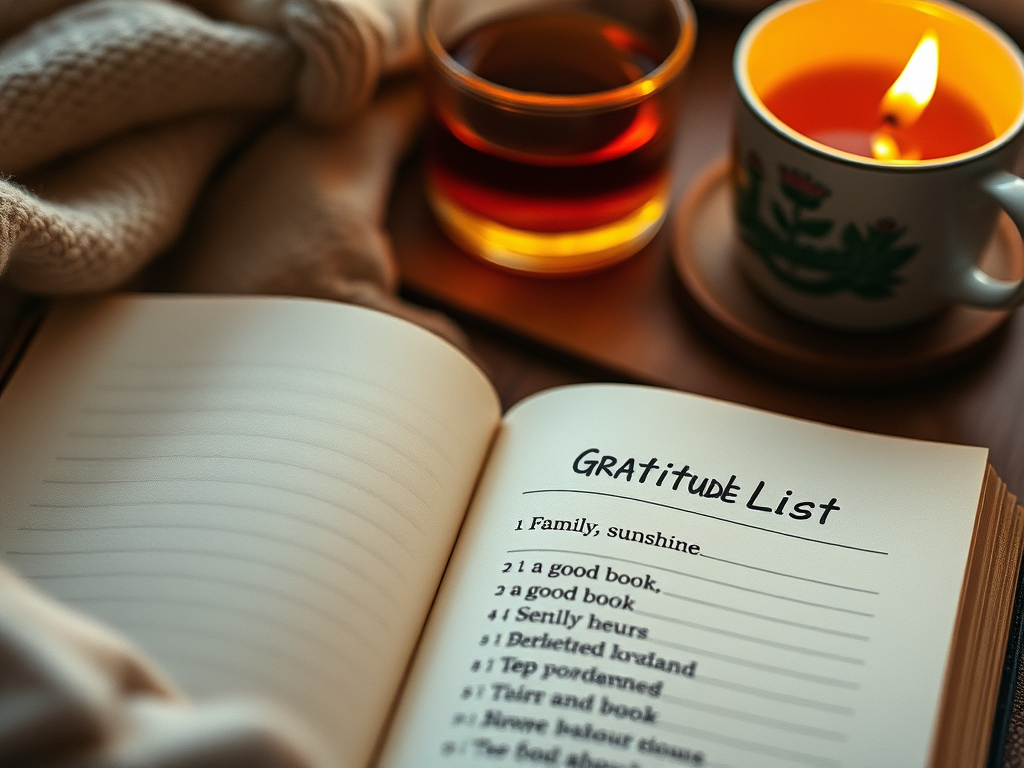
Each night before bed, grab a notebook or journal and write down one thing you’re grateful for. Keep it specific and simple—it doesn’t have to be monumental. Maybe it’s the way the sunlight streamed through your window in the morning or how a stranger held the door open for you.
Example:
“I’m grateful for the laugh I shared with my best friend today.”
Why It’s So Powerful:
This habit helps you end the day on a positive note, no matter how stressful it might have been. It also gives you something uplifting to look back on when you need a mood boost.
Bonus Tip:
Struggling to think of something? Ask yourself:
- What made me smile today?
- Who was kind to me?
- What’s one small thing I often take for granted?
2. Take a Breathing Break
Why It Works:
When life feels overwhelming, your breath can become a powerful anchor. Deep breathing exercises activate your parasympathetic nervous system, which counteracts stress by slowing your heart rate and reducing cortisol levels. This can leave you feeling calm and centered in just minutes (American Institute of Stress).
How to Do It:
The 4-7-8 technique is a simple yet effective breathing exercise:
- Inhale through your nose for 4 seconds.
- Hold your breath for 7 seconds.
- Exhale slowly through your mouth for 8 seconds.
Repeat this cycle three times.
Fun Fact:
This technique is so soothing that it can also help you fall asleep faster, making it a two-in-one stress reliever and sleep aid!
Why It’s So Powerful:
It’s quick, portable, and requires no equipment. You can do it anytime—before a big meeting, after a tough conversation, or even while sitting in traffic.
Bonus Tip:
Pair it with aromatherapy by keeping a lavender-scented candle or essential oil nearby for an extra layer of relaxation.

3. Try “Micro Mindfulness”
Why It Works:
Mindfulness is like a mental workout that strengthens your ability to stay focused and emotionally resilient. Studies show it enhances concentration, reduces anxiety, and even improves sleep quality (Mindfulness Research Center, 2022). The best part? You don’t need hours of meditation to reap the benefits.
How to Do It:
Find tiny pockets of mindfulness throughout your day. For example:
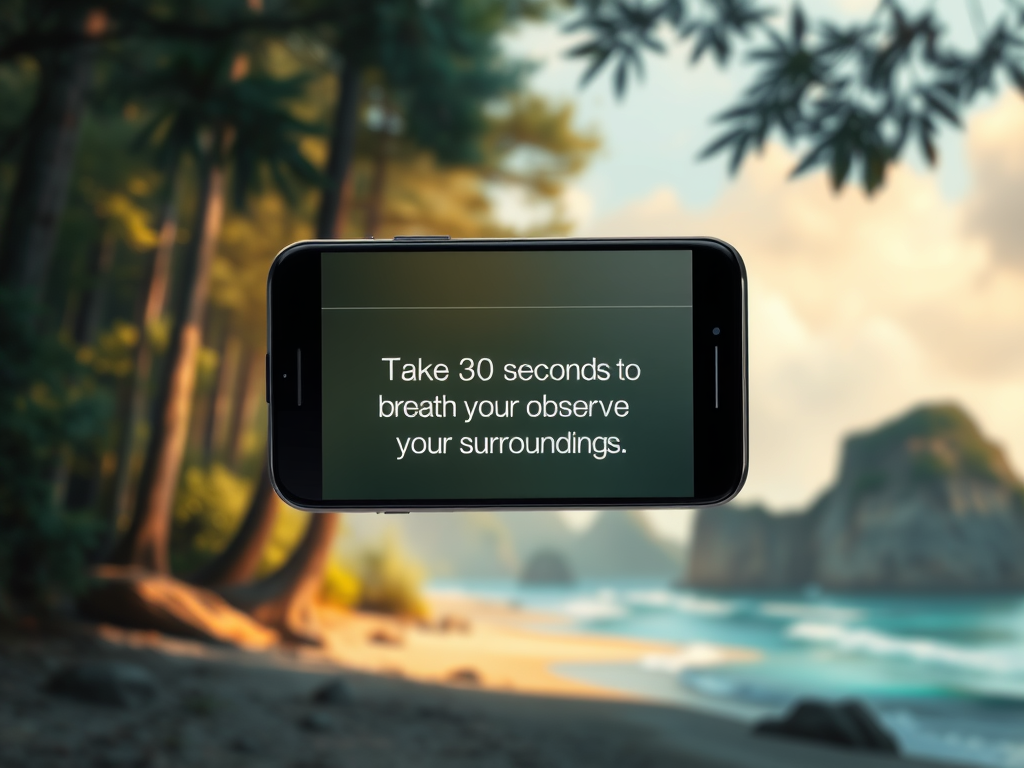
- Take 30 seconds to notice your surroundings. What do you see, hear, smell, or feel?
- Focus on your breath for a few moments. Breathe in slowly, hold it, and exhale.
- Savor your first bite of a meal by chewing slowly and noticing the textures and flavors.
Tip:
Set reminders to practice mindfulness. Sticky notes on your mirror or fridge can work wonders, or schedule gentle notifications on your phone that say, “Pause for 30 seconds of mindfulness.”
Why It’s So Powerful:
These micro moments help you reset and ground yourself, especially during busy or chaotic days. Over time, they train your mind to be present and less reactive to stress.
Bonus Tip:
Combine mindfulness with a walk outdoors. Pay attention to the crunch of leaves under your feet, the feeling of the sun on your skin, or the rhythm of your steps. It’s a two-for-one mental and physical wellness boost!
By incorporating these micro habits into your daily life, you’re building a foundation of mental strength and emotional resilience. Small steps lead to big changes, and these habits can help you create a more grounded, positive, and fulfilling life. Start small, be consistent, and watch how these tiny actions transform your mental well-being.
What micro habit will you start today? Share your thoughts in the comments, and don’t forget to explore more mental wellness tips on Health Flow Hub! Remember, small steps lead to big change—one habit at a time.
How to Build Micro Habits That Stick
- Anchor Habits to Existing Routines
Pair your new habit with something you already do. For example:- Meditate for 1 minute after brushing your teeth.
- Stretch every time you pour your morning coffee.
- Make It Stupid Simple
A micro habit should feel so easy that it’s impossible to fail. Want to start running? Start with just putting on your running shoes. - Track Your Progress
Use a simple habit tracker or app. Seeing your streak grow is incredibly motivating.Image suggestion: A habit-tracking app with checkmarks for “Water,” “Stretch,” and “Gratitude Journal.”
Final Thoughts: Start Small, Dream Big
Big changes don’t happen overnight, but they don’t have to be overwhelming. Micro habits are proof that small actions, done consistently, lead to significant transformations.
Pick one micro habit from this post and start today. Share your progress in the comments, and let’s build a supportive community here at Health Flow Hub.
Remember, even the smallest step forward is still progress. You’ve got this!
And remember, Flow with ease !!
Related Posts:
Let us know in the comments: What micro habit will you try first?

Leave a comment