
The science and strategy behind building a lean, confident physique while strengthening your mental and physical connection.
Tyler Durden’s Body Goals—But What’s the Real Story?
You finally sit down to watch Fight Club for the first time, and Brad Pitt’s performance as Tyler Durden just captures your attention-and not so much because of his charming, flowing manliness, but because of his impossibly lean, chiseled body. It is that physique that has inspired thousands to hit the gym, yes, but more than a regular workout goal-it’s a cultural phenomenon.
The truth is, getting a body like Tyler Durden is not about Hollywood secrets that are beyond reach. It’s about putting smart fitness together with strategic nutrition, mental resilience, and adequate sleep for fuel. We are going to break it down step by step in this blog. Whether you are a fitness newbie or someone looking for a sustainable routine, you leave with a roadmap you can start today.

The Myth of the Durden Physique: Why It’s More Than Looks
Before we dive into the “how,” let’s talk about the “what.” Tyler Durden’s physique isn’t just about being ripped—it’s about achieving a balanced, lean, and athletic body. It’s not about packing on massive amounts of muscle or cutting down to unhealthy body fat levels. Instead, it’s about finding a sustainable, functional fitness style that enhances your health and confidence.
Hollywood vs. Real Life
It’s tempting to think actors like Brad Pitt live at the gym or eat salads 24/7. But the truth? Their transformations are often short-term, highly strategic, and done under the guidance of personal trainers, dieticians, and even film deadlines. For us mere mortals, it’s about creating habits that last a lifetime—not just for a role.

Step 1: Training for Lean Muscle (The Durden Way)
Why Training Works for More Than Just Looks
Let’s set the record straight: strength training isn’t just about aesthetics—it’s about building a stronger, healthier you, inside and out. Sure, lean muscle and toned arms are great, but the benefits of resistance training run much deeper.
Strength training is scientifically proven to:
- Boost Bone Density: By putting stress on your bones, exercises like squats and deadlifts encourage the formation of new bone tissue, reducing the risk of osteoporosis as you age (National Institutes of Health, 2021).
- Increase Metabolism: Building muscle means burning more calories—even at rest. This helps you torch fat more efficiently while eating a little more (who doesn’t love that?).
- Enhance Mental Health: The rush of endorphins during a workout isn’t just a myth—it’s science. Strength training reduces symptoms of anxiety and depression while increasing your overall sense of well-being (Harvard Medical School, 2022).
At Health Flow Hub, we’re all about harmonizing the mental and physical. A strong body supports a resilient mind—and vice versa. The real win? Consistent training makes you feel more confident, powerful, and prepared to tackle life’s challenges.
How to Train Smart (Not Just Hard)
Chasing a lean, defined physique like Tyler Durden’s isn’t about spending endless hours at the gym or lifting the heaviest weights. It’s about smart, balanced training that builds lean muscle while keeping body fat low. To achieve this balance, your workouts need to integrate three key components:
- Strength Training
- Builds muscle, increases functional strength, and gives your body that sculpted look. Prioritize compound lifts like squats, deadlifts, and presses that target multiple muscle groups.
- High-Intensity Interval Training (HIIT)
- This is your secret weapon for fat loss. Short bursts of intense activity (like sprinting or jump squats), followed by rest, torch calories and keep your metabolism elevated for hours.
- Active Recovery
- Overtraining can lead to burnout, injuries, and fatigue. Incorporating light movement on rest days—like yoga or walking—helps your body recover while staying consistent.
Pro Tip: It’s not about perfection; it’s about progress. Start with weights or movements that feel manageable, then gradually challenge yourself as you grow stronger.
Beginner-Friendly Weekly Plan
If you’re just starting out, don’t stress about replicating Tyler Durden’s exact workout regimen. Instead, use this sustainable, beginner-friendly plan as a foundation. It’s designed to build strength, improve endurance, and keep you motivated. Remember: consistency beats intensity.
Day 1: Chest & Arms (Build Upper-Body Strength)
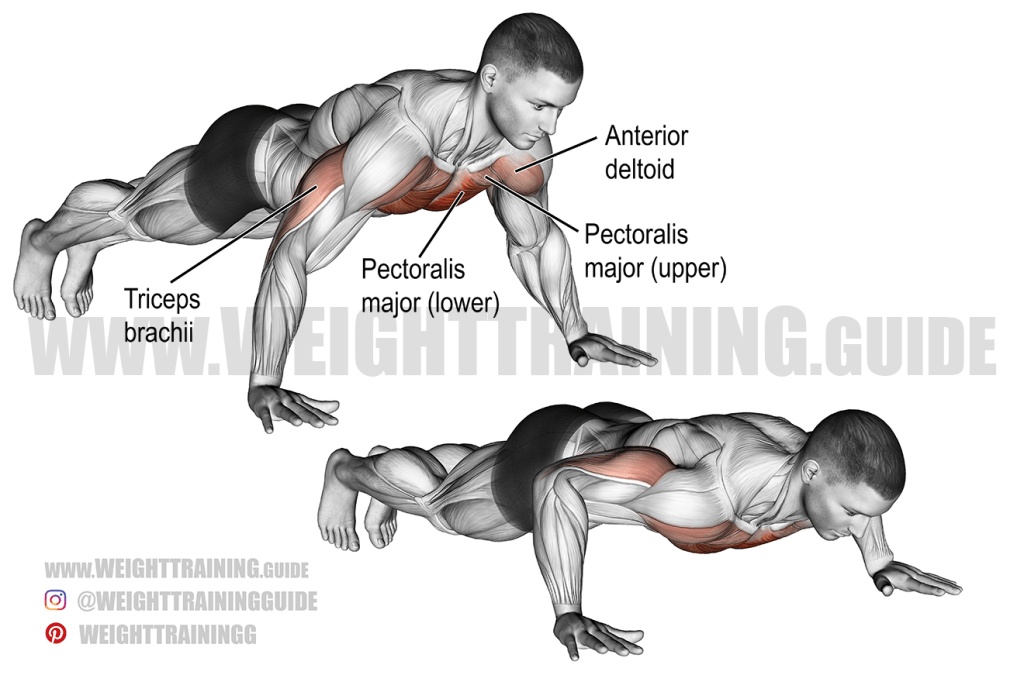
- Push-Ups (Knee or Standard): 4 sets of 12–15 reps
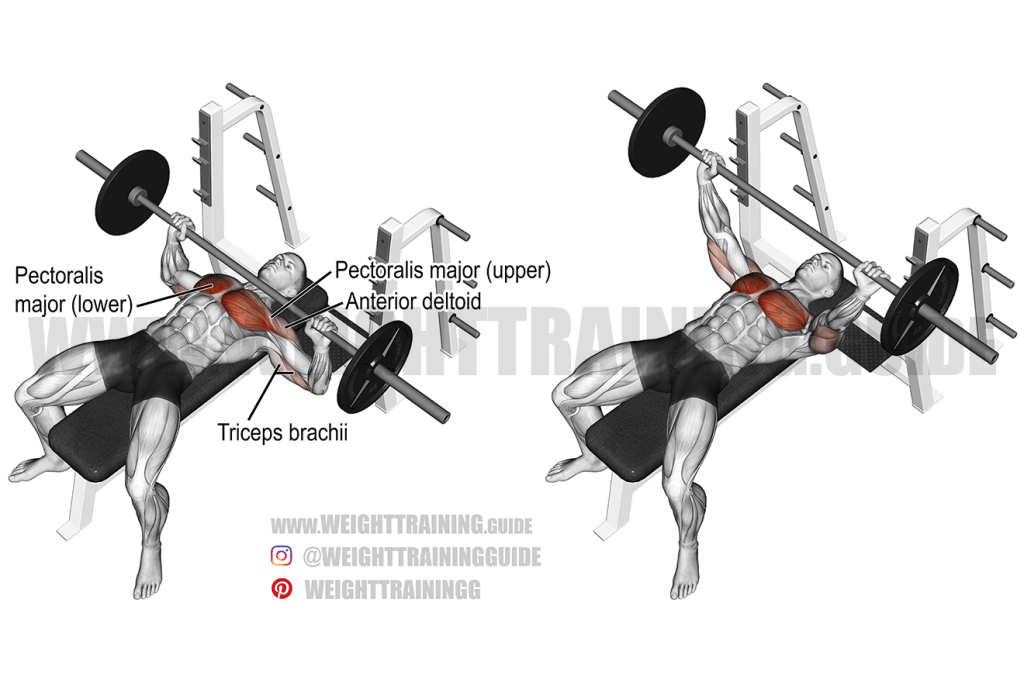
Focus on full range of motion for better chest activation. Modify by dropping to your knees if needed. - Dumbbell Bench Press: 3 sets of 10 reps
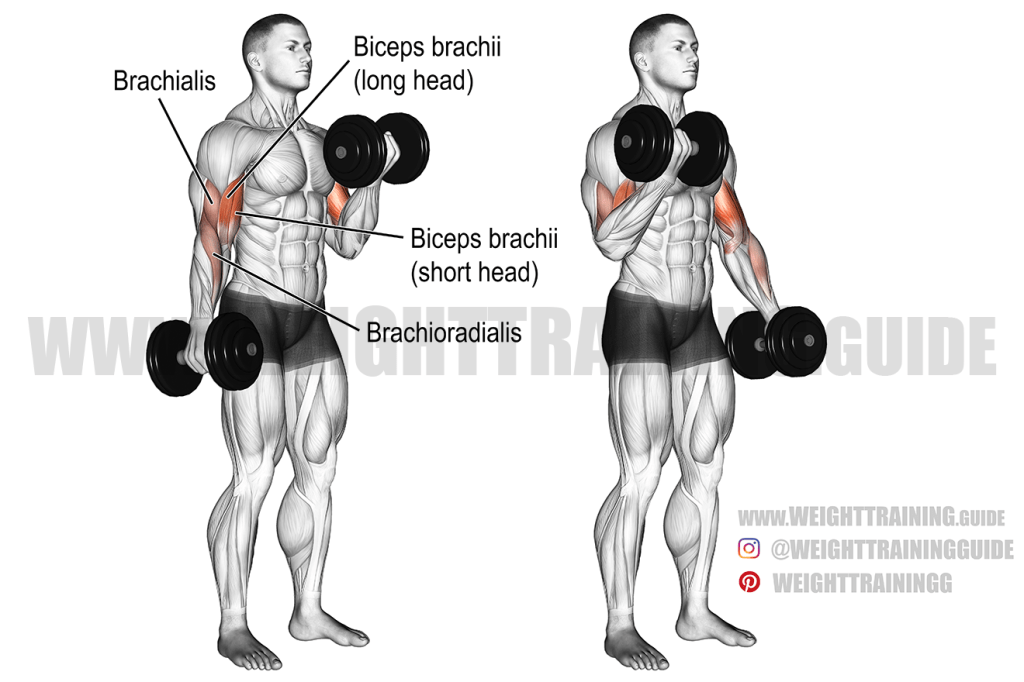
A great move for developing your pecs, shoulders, and triceps. If you don’t have dumbbells, try resistance bands. - Bicep Curls (Light Weights): 3 sets of 12–15 reps
Go slow—control the movement to maximize muscle activation.
Day 2: Rest or Light Activity (Recover & Recharge)
- Take a 20–30-minute walk or join a beginner-friendly yoga class.
Recovery isn’t slacking—it’s a vital part of progress.
Day 3: Back & Shoulders (Sculpt a Strong Upper Body)
- Assisted Pull-Ups (Use Bands if Needed): 4 sets to failure
Don’t worry if you can’t do a full pull-up yet. Start with assistance (bands or machines) and work your way up. - Dumbbell Overhead Press: 3 sets of 10 reps
Press those dumbbells overhead to build impressive shoulder caps. - Lateral Raises (Light Weights): 3 sets of 12 reps
Add width to your shoulders with controlled, lateral movements.


Day 4: Active Recovery (Move Without Pressure)
- Take a hike, swim, or try dancing.
Pick something you genuinely enjoy—it doesn’t have to feel like a workout.
Day 5: Legs & Core (Build Your Foundation)
- Bodyweight Squats: 4 sets of 15 reps
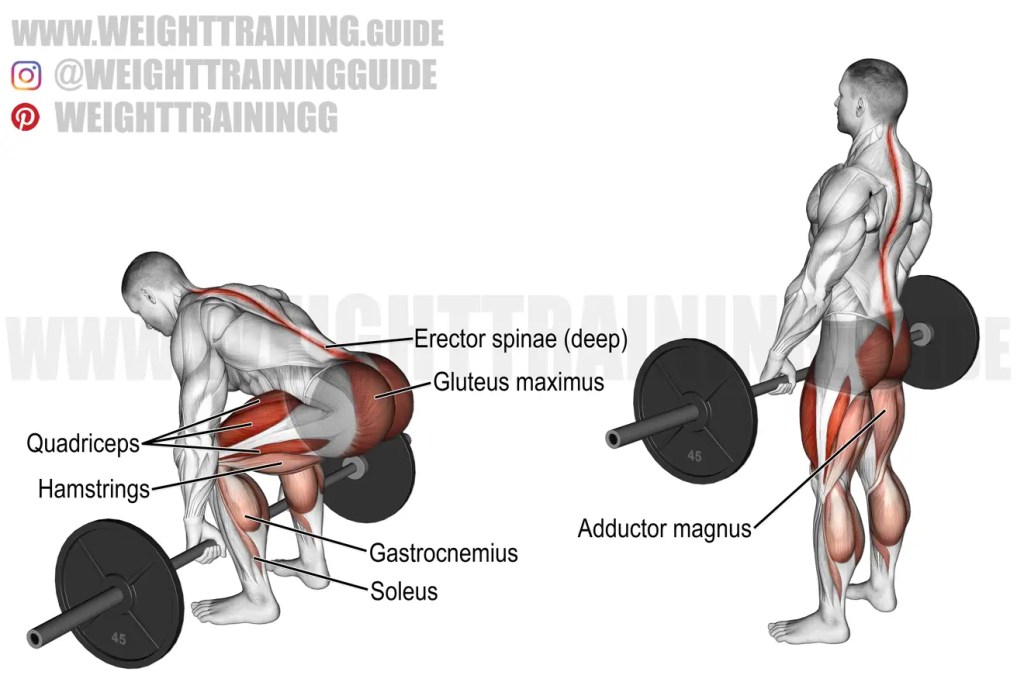
The king of leg exercises! Keep your chest up and core engaged. - Deadlifts (Light to Moderate Weights): 3 sets of 8 reps
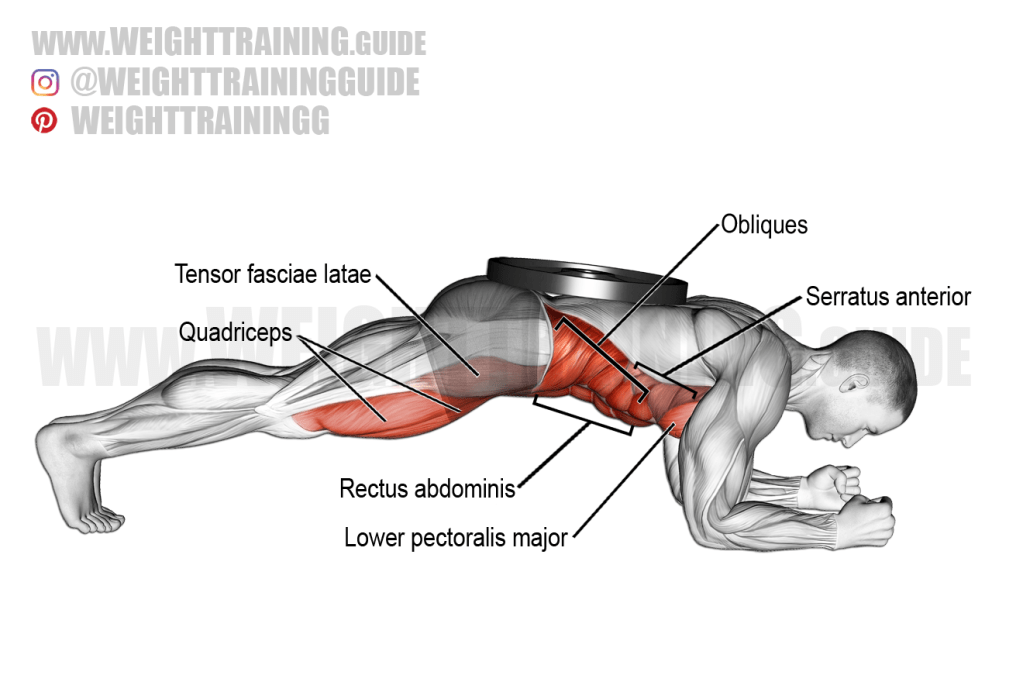
Deadlifts target your hamstrings, glutes, and lower back—essential for a balanced physique. - Plank Holds: 3 sets of 30–60 seconds
Engage your core and avoid letting your hips sag. Modify by starting on your knees if needed.

Scaling the Plan
If this feels too easy, consider adding another workout day or increasing weights and reps. If it feels too hard, reduce the number of sets or take longer rests between exercises. Listen to your body, it’s your best coach.

Consistency is king. Training like Tyler Durden doesn’t mean striving for Hollywood perfection, it’s about building a lean, functional body that works for YOU. Stick to this plan, tweak it to your lifestyle, and celebrate every small victory along the way. You’re one step closer to your goals.
Step 2: Eat Like a Fighter
Why Food is 80% of the Battle
You’ve heard it a million times, but it’s worth repeating: “Abs are made in the kitchen.” And it’s not just a catchy phrase, it’s the truth. Your workouts might sculpt your muscles, but your diet reveals them.
Why is nutrition so important?
- Body Composition: A clean, balanced diet helps reduce body fat while maintaining muscle. You can’t out-train a bad diet, no matter how many hours you spend at the gym.
- Energy Levels: Eating the right foods ensures you have the stamina to crush workouts and stay active throughout the day.
- Mental Clarity: A healthy diet isn’t just good for your body—it’s a game-changer for your mind. Whole foods packed with nutrients can help improve focus, mood, and overall brain function (Harvard Health, 2021).

Nutrition Simplified: The 3 Golden Rules
Let’s break down nutrition into three simple rules. Forget fad diets or overly complicated meal plans—these pillars are all you need to focus on:
- Protein is King
- Your muscles need protein to recover and grow stronger after workouts. Aim for at least 1 gram of protein per pound of body weight daily (or adjust based on your goals). Think lean meats, fish, eggs, and plant-based options like lentils and tofu.
- Carbs Are Fuel
- Carbs often get a bad rap, but they’re your body’s primary energy source—especially when you’re training hard. Focus on complex carbs like quinoa, sweet potatoes, brown rice, and oats. These release energy slowly, keeping you fueled for longer.
- Fats Keep You Full and Balanced
- Healthy fats are essential for hormone regulation and satiety (the feeling of fullness). Include foods like avocados, nuts, seeds, and olive oil in your meals. Don’t overdo it, though—fat is calorie-dense, so stick to controlled portions.
Sample Meal Plan for a Lean, Strong Physique
Here’s a simple, actionable meal plan to get you started. This plan prioritizes balance, whole foods, and convenience—no complicated recipes or exotic ingredients required.
Breakfast:
- 3 egg whites + 1 whole egg (scrambled or boiled)
- ½ cup of oatmeal with a handful of berries (blueberries or raspberries for antioxidants)
Why it works: High-protein eggs jumpstart muscle repair, while the oatmeal provides sustained energy.

Mid-Morning Snack:
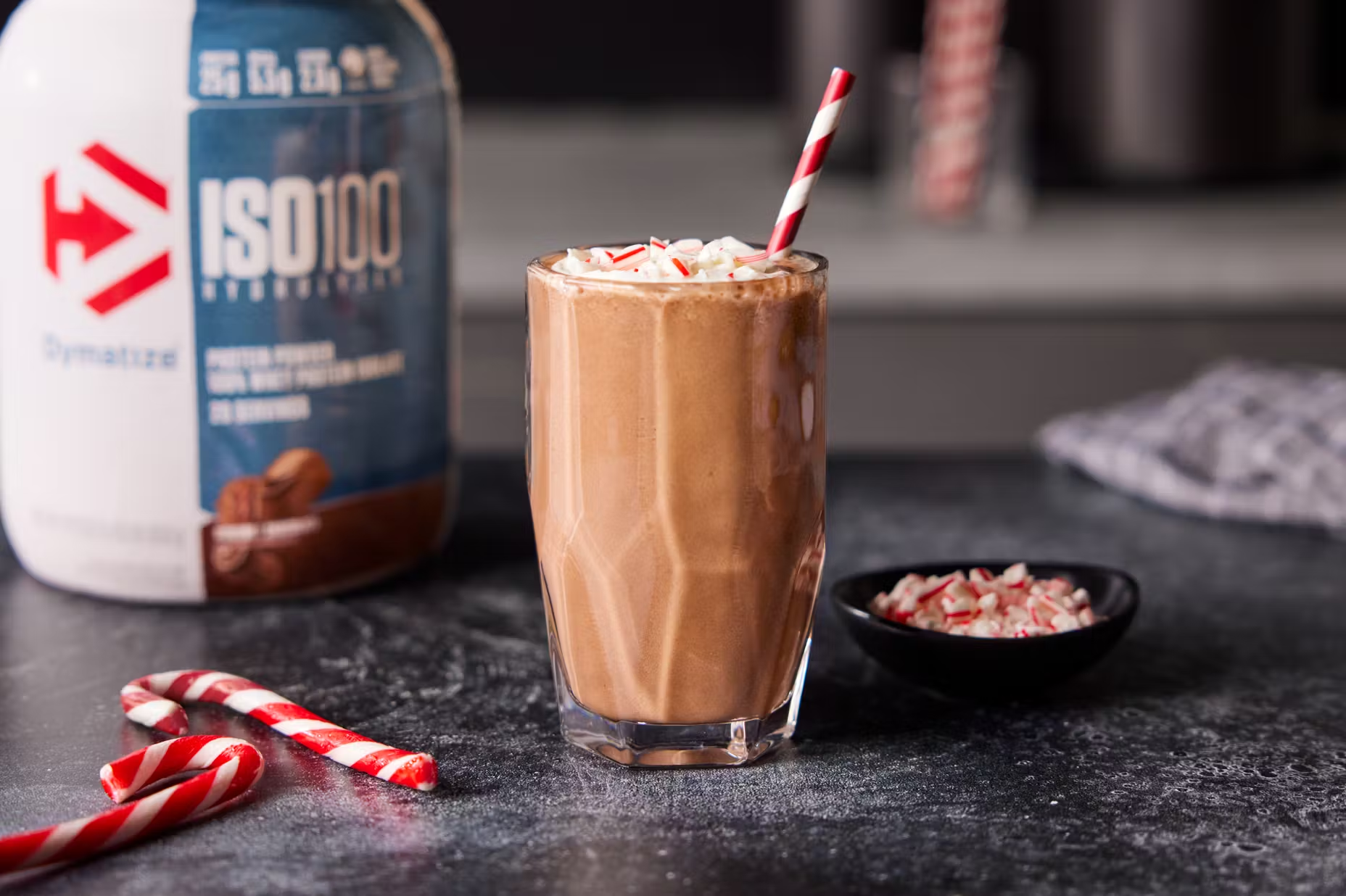
- Protein shake blended with 1 tablespoon almond butter and a small banana
Why it works: This snack is quick, portable, and perfect for fighting off mid-morning hunger.
Lunch:
- 4–6 oz grilled chicken breast
- Steamed broccoli
- 1 medium sweet potato
Why it works: A powerhouse meal loaded with lean protein, complex carbs, and fiber-rich veggies to fuel your day.

Afternoon Snack:
- ½ cup of Greek yogurt topped with a drizzle of honey and a sprinkle of chopped nuts (like almonds or walnuts)
Why it works: The yogurt provides probiotics for gut health, while the nuts add healthy fats for satiety.

Dinner:
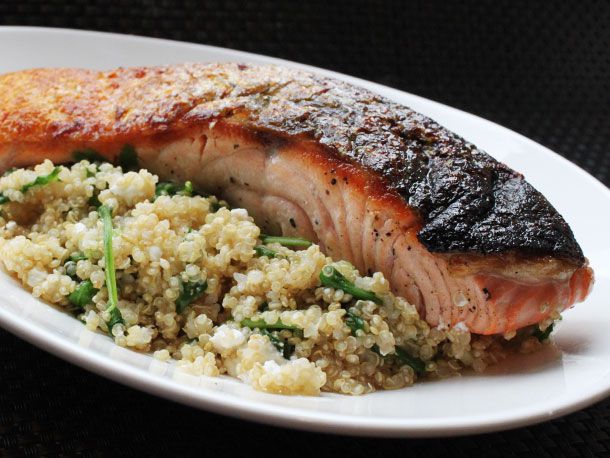
- 4–6 oz baked salmon (seasoned with lemon and herbs)
- 1 cup of spinach sautéed in olive oil
- ½ cup of quinoa
Why it works: Salmon is rich in omega-3 fatty acids, which are anti-inflammatory and great for recovery. Spinach and quinoa add vital nutrients and fiber.
Post-Workout Snack (Optional):
- A small protein shake or a handful of roasted chickpeas
Why it works: After a workout, your body craves protein to repair muscles and some carbs to replenish glycogen stores.
Actionable Nutrition Tips for Success
- Batch-Cook Your Meals:
Spend an hour or two on Sunday prepping your proteins, veggies, and carbs for the week. Store them in portioned containers, so all you have to do is reheat and eat. This eliminates the temptation to grab fast food or skip meals. - Hydrate Like a Pro:
Aim for at least 2–3 liters of water daily. Dehydration can slow your metabolism and make you feel hungrier than you actually are. - Practice the 80/20 Rule:
Eat nutrient-dense foods 80% of the time, and allow yourself small indulgences for the remaining 20%. Life’s too short not to enjoy your favorite treats in moderation. - Stay Consistent:
It’s not about being perfect every day—it’s about creating sustainable habits. If you slip up, don’t stress. Just get back on track with your next meal.

Eating like a fighter doesn’t mean starving yourself or following extreme diets. It’s about nourishing your body with foods that support your goals while still enjoying the process. Stick to these simple guidelines, and you’ll not only see physical changes but also feel energized, focused, and ready to tackle anything.
Remember: progress happens one meal at a time. Start small, stay consistent, and trust the process. Share your journey with us in the comments below or explore more tips on Health Flow Hub to keep the momentum going. Let’s fight for a healthier, stronger you—together!
Step 3: Mental Discipline
TheThe Mind-Body Connection
Discipline isn’t just about waking up at 5 a.m. to hit the gym or saying no to that extra slice of pizza. It’s about rewiring your mindset and creating systems that make healthy habits feel natural. The truth is, willpower alone is like a muscle—it gets tired. But when you build systems, discipline becomes automatic. That’s where the mind-body connection comes into play. Your mental resilience drives your physical progress, and vice versa.
Science backs this up: Research shows that creating small, manageable routines—like habit stacking—leads to long-term consistency (Journal of Behavioral Medicine, 2020). Habit stacking means attaching new behaviors to things you already do daily. For example, if you want to practice mindfulness, you could do it right after brushing your teeth or while sipping your morning coffee.

Practical Tips for Mental Resilience
Building mental discipline doesn’t have to feel overwhelming. Here’s how to strengthen your inner fighter, one small step at a time:
- Set SMART Goals
- Specific: Instead of saying, “I want to get fit,” say, “I want to lose 5 pounds of body fat in 8 weeks.”
- Measurable: Use tangible metrics like weight, inches, or reps.
- Achievable: Be realistic—if you’re a beginner, don’t aim to run a marathon in a month.
- Relevant: Align your goals with your values. Do you want to be healthier for your kids? More confident in your career?
- Time-Bound: Add deadlines to your goals to create a sense of urgency.
- Track Your Progress
- Whether it’s journaling your workouts, logging meals, or taking weekly photos, tracking helps you measure growth over time.
- Use apps, notebooks, or simple sticky notes—whatever works for you!
- Pro Tip: Don’t just record your physical achievements. Write down how you feel mentally after each workout or healthy meal. Seeing how your energy, mood, and confidence improve can be even more motivating.
- Celebrate Milestones
- Rewards aren’t just for kids—they’re for anyone trying to stay consistent. Set small rewards for hitting milestones. For example:
- Hit the gym three times this week? Treat yourself to a new workout playlist or gym accessory.
- Stayed consistent for a month? Buy yourself a nice meal or book you’ve been eyeing.
- Focus on rewarding the process (e.g., showing up) rather than the outcome (e.g., weight loss).
- Rewards aren’t just for kids—they’re for anyone trying to stay consistent. Set small rewards for hitting milestones. For example:
- Surround Yourself with Accountability
- Share your goals with someone who supports you, whether it’s a friend, a partner, or an online community.Find a workout buddy or join a class to make fitness social and enjoyable.If in-person accountability isn’t an option, consider joining a fitness app or group challenge.
- Practice Positive Self-Talk
- Replace negative thoughts like, “I’ll never get fit,” with affirmations like, “I’m making progress every day.”
- When setbacks happen (and they will), avoid spiraling. Instead, ask yourself, “What can I learn from this, and how can I move forward?”
- Create a mantra that resonates with you—like, “Strong mind, strong body.” Repeat it whenever you need a boost.

Mental discipline isn’t about being perfect—it’s about showing up, trying again, and building habits that make success inevitable. Remember, progress isn’t linear. Some days will feel easier than others, and that’s okay. Focus on small wins, celebrate milestones, and trust the process.
Want more tips to level up your mindset and fitness game? Check out our other articles on Health Flow Hub and share your favorite mental strategies in the comments. Let’s build a stronger, healthier, and more resilient YOU—one day at a time.
Step 4: Sleep—Your Secret Weapon
Why Sleep Matters
Muscle growth happens during rest—not in the gym. Sleep is essential for hormonal balance (especially testosterone) and recovery. Aim for 7–9 hours of quality sleep each night (Sleep Foundation, 2022).
Sleep Optimization Tips
- Stick to a consistent sleep schedule (even on weekends).
- Create a pre-bed ritual (like reading or meditating).
- Make your bedroom a sanctuary: cool, dark, and quiet.

The Fight Club Blueprint for Life
Tyler Durden’s physique is more than just a fitness goal—it’s a mindset shift. By combining sustainable workouts, mindful eating, mental resilience, and quality rest, you’ll unlock not just a leaner body but a stronger, healthier you.
What’s one small step you’ll take today? Share your progress in the comments or tag us at #HealthFlowHub. Let’s fight for our best selves—together!
What other character in fiction would you like us to cover next? Let us know down in the comments!

As always, flow with ease !!
Next Read:
“The Ultimate Leg Workout for Strength and Toning”

Leave a comment