
Why Mindset Shapes Everything
You walk into a room full of strangers, heart pounding, palms sweating. You want to make connections, impress people, maybe even land a great opportunity, but where to start? This scenario is something most of us have faced at some point.
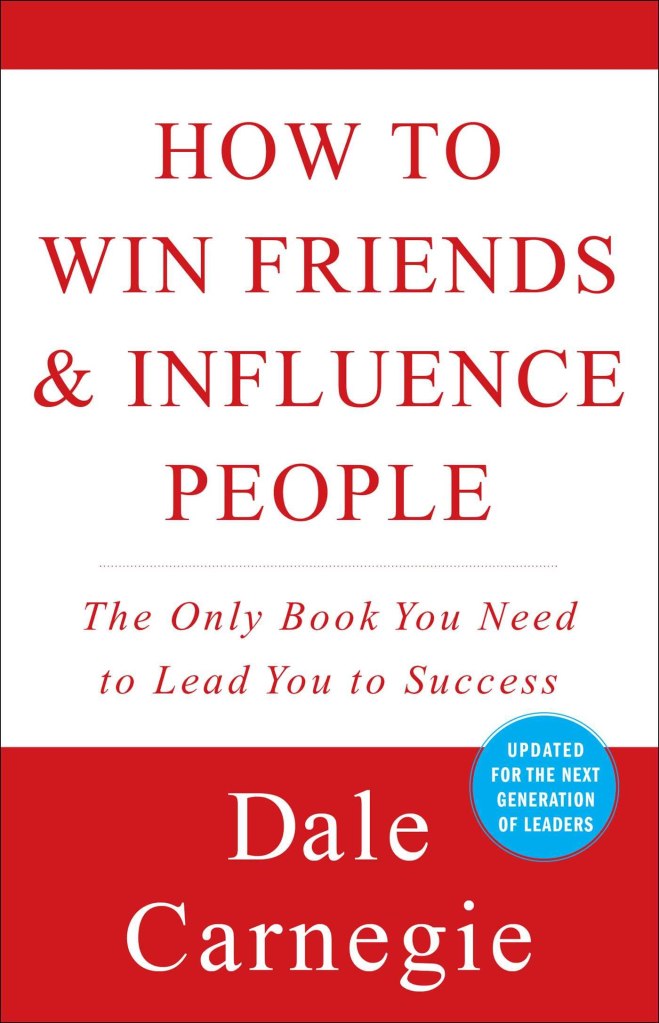
Thankfully, we have a mental playbook that helps with effortlessly navigating social interactions, make people genuinely like you, and become more influential. That’s exactly what Dale Carnegie’s timeless classic, How to Win Friends and Influence People, teaches us.
This book isn’t just about making friends; it’s about mastering the psychology of human connection, persuasion, and personal success. And guess what? These principles don’t just apply to networking events or business meetings—they impact every area of your life, from relationships to mental well-being.
In this post, we’ll unpack the key lessons from Carnegie’s book, backed by psychological research, and explore how adopting the right mindset can improve your mental health, boost confidence, and help you thrive both socially and professionally.
📌 Key Takeaways:
✔ The science behind why mindset shifts improve relationships.
✔ Actionable tips to apply Carnegie’s lessons in real life.
✔ How positivity and influence directly affect mental well-being.
Lesson 1: The Power of a First Impression
Why First Impressions Matter More Than You Think
Ever heard the phrase, “You never get a second chance to make a first impression”? Well, turns out, science backs that up. People form an impression of you within the first seven seconds of meeting you, and once that impression is made, it’s incredibly hard to change (Princeton University, 2017).
But why do first impressions matter so much? It all comes down to our brain’s survival instincts. We’ve evolved to make rapid judgments about people as a way to determine if someone is friend or foe. This means that before you even say a word, people are subconsciously evaluating you based on facial expressions, posture, tone of voice, and overall energy.
Dale Carnegie emphasized the importance of a warm smile, a firm handshake, and genuine interest in others when making a first impression. He understood that these small, seemingly simple gestures could instantly communicate trustworthiness, confidence, and approachability.
How First Impressions Impact Your Life
The way people perceive you in those first few moments can open doors—or shut them. Whether it’s a job interview, a first date, a business meeting, or even a casual social setting, your initial vibe sets the tone for how people will interact with you moving forward.
In Professional Settings – A polished first impression can determine whether you get hired, promoted, or trusted with leadership roles. Studies show that employers make hiring decisions within the first 90 seconds of an interview (Forbes, 2015).
In Social Situations – People naturally gravitate toward those who exude warmth and confidence. A strong first impression can lead to meaningful friendships, romantic connections, and deeper social bonds.
In Everyday Encounters – Even small interactions, like meeting a barista, a new neighbor, or a fellow gym-goer, contribute to your social success. When you consistently leave people with a positive and memorable impression, life becomes so much easier.
Practical Ways to Improve Your First Impression
The good news? First impressions aren’t just about genetics or natural charisma. They’re completely within your control! Here are three simple, scientifically-backed ways to instantly improve the way people perceive you:
Smile Genuinely 😁
A smile is one of the most powerful tools you have—it’s universal, contagious, and signals warmth. Studies show that smiling releases dopamine and serotonin, neurotransmitters that make both you and the other person feel happier and more comfortable (University of West Alabama, 2019).
But here’s the key: Fake smiles won’t cut it. People can subconsciously detect inauthenticity, so make sure your smile reaches your eyes (this is called the Duchenne smile, and it’s scientifically proven to be more effective).
💡 Quick Hack: Before entering a social situation, think of something that genuinely makes you happy. It could be a funny memory, your favorite song, or even a moment of gratitude. This will naturally trigger an authentic smile.
Use Open Body Language 👏
Your body speaks before you do—so make sure it’s saying the right things! Open, relaxed posture signals confidence and approachability, while closed-off body language (like crossed arms, slouched shoulders, or avoiding eye contact) can make you seem distant or untrustworthy.
✅ Stand tall – Good posture exudes confidence and self-assurance.
✅ Make eye contact – But don’t stare! The sweet spot is about 60-70% of the time (Fast Company, 2013).
✅ Use hand gestures – Research shows that people who use expressive hand gestures are perceived as more engaging and persuasive (ResearchGate, 2009).
💡 Quick Hack: If you feel nervous, do a quick “power pose” before entering the room—stand tall, put your hands on your hips, and take deep breaths. Studies show that power posing increases confidence and lowers stress hormones (Harvard Business School, 2010).
Say Their Name & Show Genuine Interest 🗣
People love hearing their own name—it creates an instant sense of connection and familiarity. Carnegie highlighted that remembering and using people’s names is one of the fastest ways to make them feel valued.
✅ Repeat their name naturally – When introduced, respond with: “Nice to meet you, [Name]!”
✅ Find something personal to remember – Associate their name with a detail about them (e.g., “Jessica who loves hiking”) to help it stick.
✅ Ask thoughtful questions – Show genuine curiosity about the other person’s life, rather than just waiting for your turn to speak.
💡 Quick Hack: If you struggle with remembering names, repeat it three times within the first few minutes of meeting someone. Example:
👤 “Hi, I’m Sarah!”
👥 “Nice to meet you, Sarah! So, what do you do?”
👥 “That’s really interesting, Sarah. How did you get into that field?”
👥 “Well, Sarah, it was great talking to you!”
By the end of the conversation, their name will be locked in your memory!
Your Energy Introduces You Before You Even Speak
At the end of the day, your first impression is about the energy you bring into the room. People remember how you made them feel far more than what you actually said. By smiling, using confident body language, and showing genuine interest, you can effortlessly create a magnetic presence that draws people in.
💡 Key Takeaways:
✔ First impressions form within 7 seconds and are hard to change.
✔ Smiling releases feel-good hormones and makes you instantly more likable.
✔ Open body language exudes confidence and approachability.
✔ Saying someone’s name triggers a positive emotional response.

Next Step: Try implementing these tips in your next social interaction—whether it’s at work, a social event, or even chatting with a stranger at a coffee shop. Notice how people respond differently!
What’s one first-impression tip that has worked for you? Drop it in the comments below! And if you found this post helpful, share it with a friend who needs a confidence boost.
Lesson 2: The Secret to Making People Like You Instantly
The Science Behind Likability
Dale Carnegie’s golden rule for winning people over ?
🙋♂️Talk about what interests them.
It sounds simple, yet most people get this wrong. Instead of focusing on making others feel interesting, they try to be interesting themselves—bragging about their achievements, dominating conversations, or waiting for their turn to speak rather than truly listening.
But here’s the truth: People are naturally drawn to those who show genuine curiosity about them.
A fascinating study from Harvard University (2012) found that talking about ourselves activates the same pleasure centers in the brain as food, money, and even sex (Medium, 2016).
Think about that for a second.
When someone talks about their passions, their dreams, or even their pet dog, they feel a sense of validation and happiness—all because they’re sharing something personal.
And guess what? They subconsciously associate that good feeling with you.
So, if you want to make people like you instantly, don’t focus on impressing them. Focus on making them feel heard, valued, and understood.
How to Instantly Boost Your Likability
Now, you might be wondering—how do I actually do this in a conversation?
Here are three science-backed ways to effortlessly become more likable (without being fake or forcing it):
Ask Open-Ended Questions 🤔
If you only take one thing from this lesson, let it be this: Stop asking dead-end questions!
Instead of:
🚫 “How’s work?” (One-word response: “Good.” Awkward silence.)
🚫 “Did you have a good weekend?” (Answer: “Yeah, it was fine.” And then… crickets.)
Try:
✅ “What’s the most exciting part of your job right now?”
✅ “What’s one thing you did this weekend that made you happy?”
Why does this work?
Open-ended questions encourage people to open up and share real stories, rather than just giving generic, short answers. This creates a deeper connection instantly.
💡 Quick Hack: If someone tells you about their job, instead of just saying “That’s cool,” follow up with:
“That sounds amazing! How did you get into that field?”
Boom. Now you’ve got them talking about their passions and experiences, which naturally makes them feel connected to you.
Give Sincere Compliments 💬
We all love compliments. But here’s the catch: They only work if they’re specific and genuine.
Most people throw around empty compliments like:
🚫 “You look nice today.” (Generic. Forgettable.)
🚫 “Great presentation.” (Sounds polite but not personal.)
Instead, make your compliment unique and meaningful:
✅ “I love how you explain things—it makes complex topics sound simple!”
✅ “Your energy in that meeting was incredible. You really know how to engage people.”
Why does this work?
Because specificity shows sincerity. Instead of sounding like you’re just being polite, it makes people feel seen and appreciated.
💡 Quick Hack: Pay attention to effort, not just appearance. Compliment how someone thinks, speaks, or works, rather than just how they look.
Mirror Their Energy (Subtly!) 🔄
Ever notice how when someone is enthusiastic and animated, it makes you feel more excited too? Or how calm people tend to make others feel at ease?
This is called mirroring—a subconscious behavior where we match someone’s body language, tone, and energy.
But here’s the key: Do it subtly.
🚫 DON’T: Copy every movement like a robot (that’s just creepy).
✅ DO: Slightly match their tone, speed of speech, and level of enthusiasm.
Example:
🎤 If they’re talking fast and excitedly, you can increase your energy to match.
🧘♀️ If they’re calm and reserved, lower your tone slightly to keep the conversation comfortable.
💡 Quick Hack: Next time you’re in a conversation, observe the person’s body language. Are they leaning in? Are they speaking with their hands? Try subtly matching their energy and watch how quickly the connection deepens.
Likability is About How You Make People Feel
At the end of the day, people don’t remember everything you say. But they will always remember how you made them feel.
The secret to likability isn’t about being the funniest, smartest, or most charming person in the room. It’s about making others feel valued, interesting, and appreciated.
💡 Key Takeaways:
✔ People are naturally drawn to those who show genuine interest in them.
✔ Talking about ourselves triggers pleasure centers in the brain. Use this to your advantage by letting others share their experiences.
✔ Asking better questions, giving real compliments, and mirroring energy can make you instantly more likable.

Next Step: Try these tips in your next conversation. Notice how people light up when they talk about their interests and how they respond when you make them feel heard!
What’s the best compliment you’ve ever received? Drop it in the comments below! And if this post helped you, share it with a friend who wants to improve their social skills.
Lesson 3: The Art of Persuasion Without Manipulation
Why Influence is a Superpower
Persuasion often gets a bad rap. People hear the word and immediately think of sleazy sales tactics, mind games, or manipulation. But true influence isn’t about tricking people into doing what you want—it’s about understanding what genuinely motivates them.
Dale Carnegie believed that persuasion is not about winning arguments but about guiding people toward decisions that benefit both parties.
Think about it—who are the most influential people you know?
They’re not the ones forcing their ideas on others. They’re the ones who make you feel heard, respected, and understood—while still making a compelling case for their perspective.
And science backs this up.
A 2008 study from the Journal of Personality and Social Psychology found that perspective-taking increases trust, cooperation, and the likelihood of reaching agreements in negotiations (Sage Journals, 2008).
In simple terms: When people feel like you understand them, they’re more likely to listen to you.
That’s the foundation of ethical persuasion.
Simple Ways to Become More Persuasive
Want to influence people without coming across as pushy? Here are three science-backed strategies to win people over the right way:
Acknowledge Their Point of View First 🤝
Before you try to change someone’s mind, make them feel heard.
If you immediately tell someone why they’re wrong, their brain automatically goes into defense mode. But if you first acknowledge their perspective, they’ll be more open to hearing yours.
🚫 Wrong Approach:
❌ “That’s completely incorrect. Let me tell you why.” (Instant resistance—walls go up!)
✅ Better Approach:
✔ “I totally see where you’re coming from. You make a great point about X. But here’s something that might offer a different perspective…”
Why does this work?
Because validation lowers resistance. When people feel like you respect their views, they’re less likely to get defensive—and more likely to listen.
💡 Quick Hack: Use phrases like:
✔ “I understand why you think that…”
✔ “That’s a really interesting point…”
✔ “I used to feel the same way, but then I learned…”
This lowers their guard and makes them more receptive to your ideas.
Highlight Benefits That Matter to THEM 🎯
People don’t make decisions based on logic alone—they make them based on how it benefits them personally.
Carnegie understood this deeply. He argued that the best way to persuade someone is to frame your argument in a way that aligns with their goals, desires, or pain points.
🚫 Wrong Approach:
❌ “You should exercise because it’s good for you.” (Generic, uninspiring.)
✅ Better Approach (Tailored to Their Interest):
✔ “You love hiking, right? Strength training could make your hikes way easier and help you avoid injuries.”
See the difference?
By connecting your point to something they already care about, you make your argument far more persuasive.
💡 Quick Hack: When trying to influence someone, ask yourself:
✔ “What do they care about most?”
✔ “How can I show them that my idea benefits them directly?”
If you can answer those questions, you’ll naturally be more persuasive.
🔹 Use Storytelling to Make Your Point Stick 📖
Facts tell, but stories sell.
People are 22x more likely to remember a story than a statistic (Forbes, 2015).
That’s why Carnegie was a master of storytelling—he knew that the most persuasive way to make a point is through real-life examples, relatable scenarios, and compelling narratives.
🚫 Wrong Approach:
❌ “Networking is important for career success.” (Sounds like a generic fact—easily forgotten.)
✅ Better Approach (Storytelling):
✔ “I used to be terrible at networking. But then I tried one simple trick—asking people about their hobbies instead of their job. Suddenly, people opened up, and I made meaningful connections. One of those connections even helped me land a job!”
Why does this work?
Because stories engage the brain emotionally—and people make decisions based on emotion first, logic second.
💡 Quick Hack: Next time you’re trying to persuade someone, don’t just state the facts—share a personal story or an example that makes the information come alive.
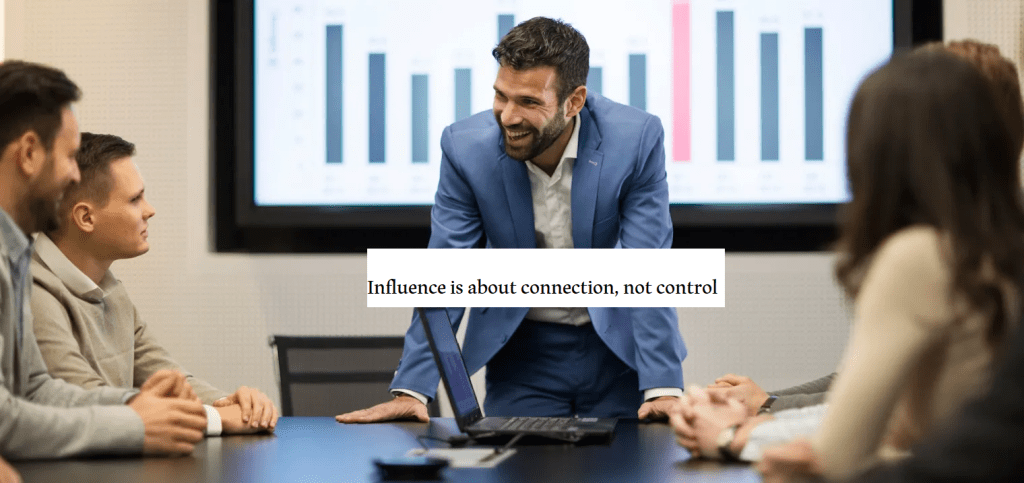
Persuasion is About Connection, Not Control
At its core, persuasion isn’t about forcing people to agree with you. It’s about understanding their perspective, addressing their needs, and presenting ideas in a way that resonates.
💡 Key Takeaways:
✔ Acknowledge their point of view first—people are more open to change when they feel heard.
✔ Frame your argument in a way that matters to them—focus on their interests, not yours.
✔ Use storytelling—stories make ideas stick better than facts alone.
Next Step: Try these persuasion techniques in your next conversation and see how people respond. The more you practice, the more effortlessly persuasive you’ll become!
Have you ever changed someone’s mind using one of these strategies? Share your experience in the comments! And if you found this helpful, send it to a friend who wants to improve their influence skills. 🚀
Lesson 4: Handling Criticism and Disagreements Gracefully
Why Reacting Defensively Hurts Relationships
Let’s be honest—no one likes being criticized. The moment someone points out a mistake or disagrees with us, our brain immediately goes into defense mode. We feel attacked, misunderstood, or even disrespected.
And what do we do? We argue, justify, or fire back with our own criticisms.
But here’s the problem: Arguing rarely changes minds—it just creates resentment.
Dale Carnegie understood this better than anyone. In How to Win Friends and Influence People, he emphasized that winning an argument often means losing a relationship. Even if you’re technically right, making the other person feel wrong usually backfires.
Think about it:
- Have you ever seen a heated debate where someone suddenly says, “Wow, you’re right! I’ve completely changed my mind!”?
- Probably not.
- That’s because when people feel attacked, their ego takes over, and their instinct is to defend their position—even if they secretly realize they’re wrong.
Instead of reacting defensively, Carnegie suggests a more powerful approach:
✔ Stay calm and curious. Instead of seeing criticism as an attack, see it as a chance to learn something.
✔ Find common ground first. Agree with some part of what they’re saying before introducing your own perspective.
✔ Give people a way to save face. If you prove someone wrong in a way that embarrasses them, they’ll resent you—even if you’re right.
Let’s break these down one by one.
How to Handle Criticism Without Destroying Relationships
1. Avoid Direct Confrontation—Respond With Curiosity 🧐
Instead of reacting defensively, pause and get curious.
🚫 Wrong Approach:
❌ “That’s not true at all! You don’t know what you’re talking about.” (Instant tension—conversation shuts down!)
✅ Better Approach:
✔ “That’s interesting—I hadn’t thought about it that way. What makes you feel that’s the case?”
Why does this work?
Because curiosity lowers conflict.
When you ask questions instead of arguing, you make the other person feel heard—which instantly defuses tension. Plus, sometimes their criticism might actually be valid, and you’ll learn something valuable.
💡 Quick Hack:
✔ Instead of reacting emotionally, take a deep breath and say: “Tell me more about why you think that.”
✔ This forces you to slow down and approach the conversation logically instead of emotionally.
2. Find Common Ground First—Then Offer Your Perspective 🤝
People are far more open to changing their minds if they first feel understood.
So before you introduce your counterpoint, agree with something they said.
🚫 Wrong Approach:
❌ “No, you’re completely wrong.” (They instantly get defensive and stop listening.)
✅ Better Approach:
✔ “I totally see your point about X, and I actually agree with you there. However, I think Y might also be important to consider.”
Why does this work?
Because it lowers their defenses. When someone feels like you’re on their side, they’re much more likely to consider your perspective.
💡 Quick Hack: Use phrases like:
✔ “I see what you’re saying…”
✔ “That’s a great point—I hadn’t thought of it that way.”
✔ “You’re absolutely right about that. And I also think…”
This makes them feel validated, so they don’t feel the need to fight back against you.
3. Let People Save Face—Never Humiliate Them 😌
Nobody wants to feel embarrassed.
Even if you prove someone wrong, if you do it in a way that makes them look bad, they will resent you—even if they know you’re right.
Instead of exposing their mistake, let them walk away with their dignity intact.
🚫 Wrong Approach:
❌ “See? You were wrong, and I was right.” (Instant resentment—relationship damaged!)
✅ Better Approach:
✔ “I totally understand why you thought that. I used to think the same thing until I learned X.”
Why does this work?
Because it makes the conversation feel collaborative instead of combative.
💡 Quick Hack: If you need to correct someone, use yourself as an example:
✔ “I used to believe that too, but I recently came across some new info that changed my mind…”
✔ This lets them change their mind without feeling like they ‘lost’ the argument.
The Psychological Benefits of Handling Conflict Well
Managing criticism with grace and self-control isn’t just good for relationships—it’s also great for your mental health.
Research from the American Psychological Association (2018) found that avoiding unnecessary conflict:
✔ Reduces stress and anxiety
✔ Lowers cortisol (the stress hormone)
✔ Improves overall emotional well-being
On the flip side, constant arguing and defensiveness can:
❌ Increase stress levels
❌ Damage personal and professional relationships
❌ Make people avoid interacting with you
In short? The way you handle criticism directly impacts your mental and emotional health.

Conflict is Inevitable—But How You Handle It is a Choice
No one can avoid criticism or disagreements—they’re a part of life. But the way you respond determines whether you gain respect or lose relationships.
💡 Key Takeaways:
✔ Stay calm and curious—Ask questions instead of reacting emotionally.
✔ Find common ground before disagreeing—Make them feel heard before sharing your point.
✔ Let people save face—Never embarrass someone, even if you’re right.
Next Step: Next time someone criticizes you, pause and respond with curiosity instead of defensiveness. See how the conversation changes!
Have you ever turned a disagreement into a positive conversation? Share your experience in the comments! And if this was helpful, tag a friend who could use these tips.
Applying These Lessons to Your Life
The principles in How to Win Friends and Influence People aren’t just self-help tips—they’re backed by science and psychology. Here’s how to put them into action today:
1️⃣ Focus on first impressions – Smile, use open body language, and remember names.
2️⃣ Make conversations about the other person – Ask questions, listen actively, and show genuine interest.
3️⃣ Persuade through empathy – Understand the other person’s perspective before presenting your ideas.
4️⃣ Handle criticism wisely – Stay calm, seek common ground, and avoid unnecessary conflicts.
Final Thought: Improving your social skills isn’t about faking charisma—it’s about becoming more self-aware and emotionally intelligent. Every interaction is an opportunity to connect, inspire, and grow.
If you found these insights helpful, share this post with a friend who would love to improve their social skills! Drop a comment below: What’s one social skill you’re working on right now?
What other sources, be it books or media, for mental growth would you like us to cover next of Mindset Onset ? Comment below ⬇⬇⬇

As always, Flow with ease !!
Up Next: Flow State Mastery: How to Stay in the Zone and Get More Done

Leave a comment