Why Your Breath is Your Superpower
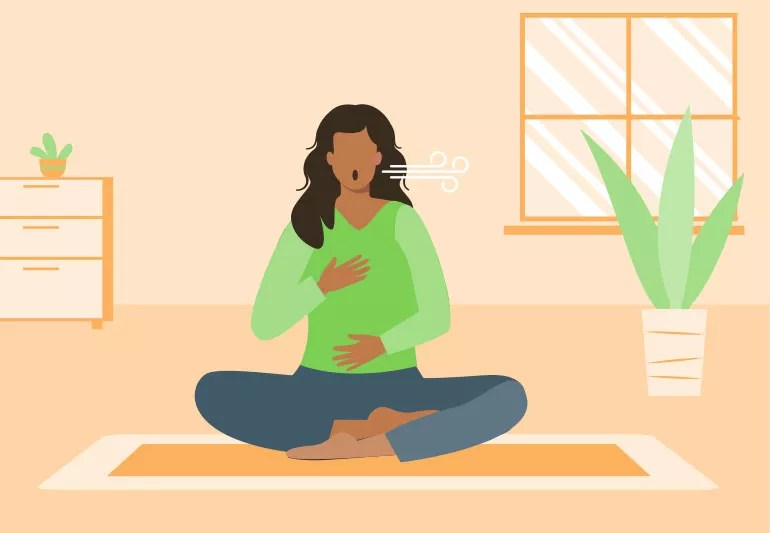
Draw a deep breath in. Hold on for a second. Now, exhale slowly. Do you feel that? That’s your body’s natural stress reliever at work.
We breathe approximately 20,000 times per day, but the majority of us do not do so optimally. Modern lifestyles are characterized by stress, poor posture, and shallow chest breathing. These factors have rewired us to breathe in ways that cause anxiety rather than alleviate it.
But what if I told you that a few simple breathwork techniques can help you reduce stress and improve focus? You can improve your sleep and athletic performance without using fancy gadgets, supplements, or lifestyle changes.
Science backs it up. Studies have shown that controlled breathing can lower cortisol levels. This is the body’s primary stress hormone. Controlled breathing can also boost cognitive performance (National Institutes of Health 2022). Breathwork is more than just a wellness trend; it’s an ancient practice with modern scientific backing.
In this article, we’ll break down:
✅ The science behind breathwork and its impact on your mind and body
✅ Three simple breathing exercises that reduce stress and boost focus
✅ When and how to use breathwork for optimal benefits
By the end, you’ll have powerful tools for remaining calm, clear-headed, and energized, no matter how chaotic life becomes.
The Science Behind Breathwork: How Breathing Shapes Your Brain and Body
The Connection Between Breath and the Nervous System
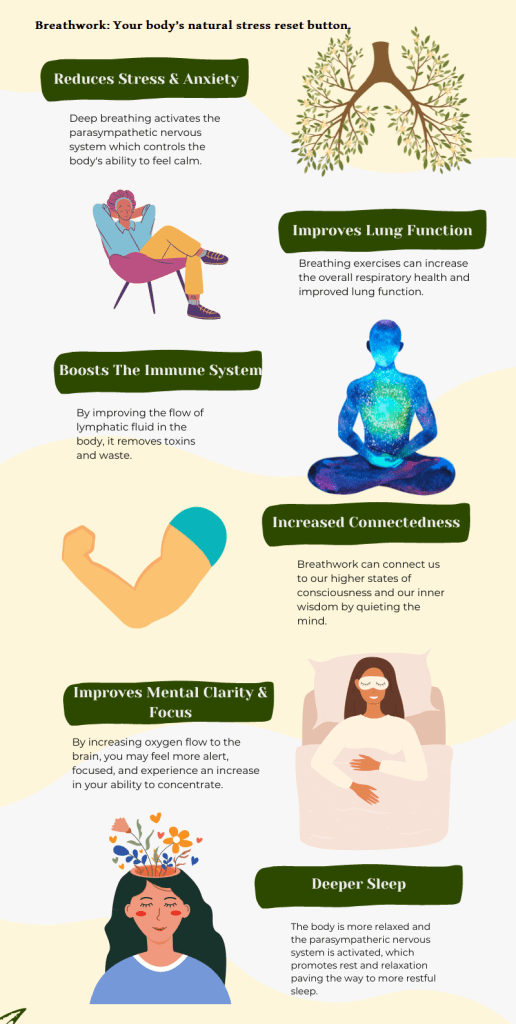
Your breath has a direct impact on your nervous system. Specifically, it interacts with two key actors:
- The Sympathetic Nervous System (SNS): This regulates your “fight-or-flight” response. Fast, shallow breathing alerts your body to impending danger, increasing heart rate, tension, and stress hormones.
- The Parasympathetic Nervous System (PNS): This is your body’s “rest and digest” system. Slow, deep breathing activates it, which reduces heart rate and promotes relaxation.
Controlled breathing techniques help your body transition from stress to relaxation mode. They lower anxiety and improve focus (Better Health Channel).
The Oxygen-CO2 Balance: Why Overbreathing is a Problem
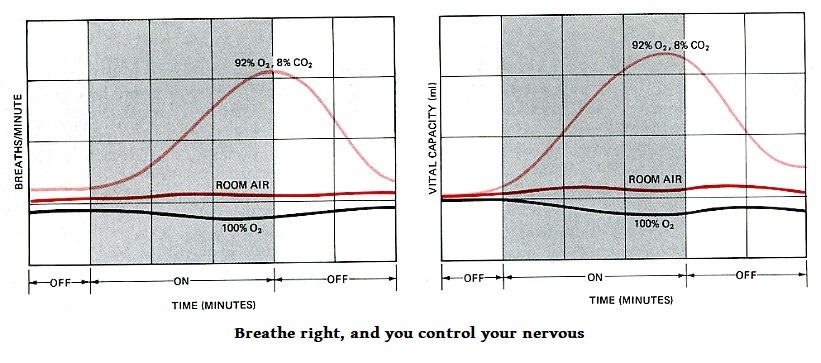
Contrary to popular belief, breathing deeper does not always imply breathing better. While oxygen is essential for survival, its true effectiveness depends on carbon dioxide (CO₂) levels in your blood. CO₂ is often misunderstood as a waste gas. In reality, it plays an important role in oxygen delivery. CO₂ is also crucial for brain activity.
The Bohr Effect is a physiology principle. It explains how CO₂ helps release oxygen from hemoglobin in the blood. This oxygen is used by the body’s tissues, including the brain and muscles (National Institutes of Health 2023).
How Overbreathing (Hyperventilation) Disrupts the Balance
Excessive CO₂ exhalation occurs when you breathe quickly, which can be caused by stress, anxiety, or poor posture. This lowers the efficiency of oxygen delivery, resulting in:
🔹 Dizziness and light-headedness – Your brain isn’t getting enough oxygen, even though you’re breathing more.
🔹 Brain fog and difficulty concentrating – Cognitive ability declines when oxygen isn’t being properly distributed.
🔹 Increased anxiety and panic – Low CO₂ triggers the body’s stress response, making you feel even more on edge.
🔹 Tingling in hands and feet – Reduced CO₂ can cause blood vessels to constrict, limiting circulation.
This is why slow and controlled breathing is essential. It restores CO₂ levels, allowing oxygen to be delivered where needed, making you feel clearer, calmer, and more energized.
Three Powerful Breathwork Techniques to Reduce Stress and Increase Focus
1. Box Breathing: The Navy SEAL Secret for Calm Focus
When life becomes overwhelming, remaining calm is not just a luxury; it is a skill. And who better to learn from than Navy SEALs, elite warriors who can handle high-pressure situations without losing focus? What’s their secret? Box breathing is a simple but highly effective breathing technique for restoring balance in your mind and body.
Box breathing isn’t limited to soldiers. It’s scientifically proven and used by athletes, executives, and public speakers to improve mental clarity, reduce stress, and boost performance. Studies show that controlled breathing techniques, like box breathing, can significantly lower cortisol levels. Cortisol is the stress hormone. These techniques also increase focus and improve decision-making (Mayo Clinic, 2018).
How to Do Box Breathing:
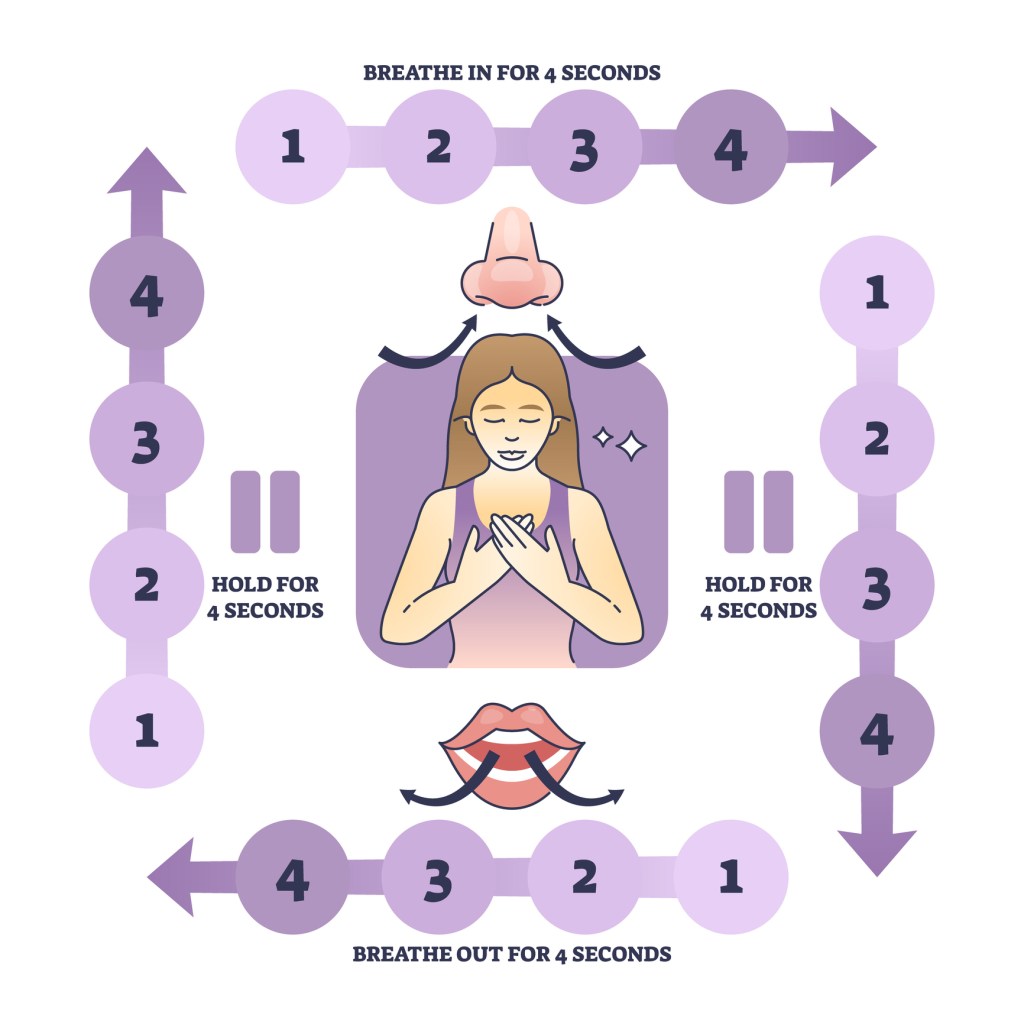
Imagine your breath as a square with four equal parts and one steady rhythm:
🔹 Inhale deeply through your nose for 4 seconds (Fill your lungs completely, but don’t force it.)
🔹 Hold your breath for 4 seconds (Let the oxygen settle in your system.)
🔹 Exhale slowly through your mouth for 4 seconds (Release all tension with your breath.)
🔹 Hold again for 4 seconds (Embrace the stillness before repeating.)
🔹 Repeat this cycle for 2–5 minutes.
Each breath phase is deliberate. It lowers your heart rate. It signals your nervous system to relax. It lets you regain control of your emotions.
When to Use Box Breathing:
✔ Before a big presentation or exam – Clears mental clutter and enhances focus.
✔ During stressful moments – Helps prevent emotional outbursts and rash decisions.
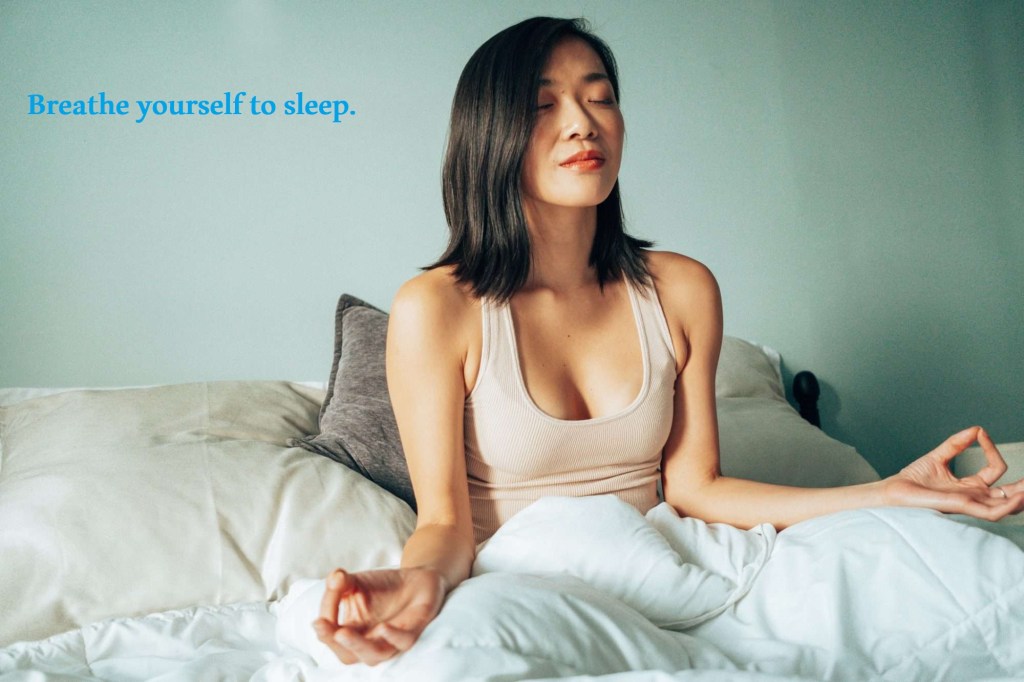
✔ Before sleep – Slows down racing thoughts and promotes deeper rest.
✔ Post-workout or after high-intensity activity – Aids recovery and regulates the nervous system.
2. 4-7-8 Breathing: The Ultimate Relaxation Hack
Have you ever tossed and turned in bed, wishing you can shut off your brain like a light switch? Or you’ve felt overwhelmed by anxiety, your mind racing at 100 mph?
Enter 4-7-8 breathing, also known as the “natural tranquilizer for the nervous system”, and with good reason. This powerful breathing technique reduces anxiety, slows the heart rate, and lulls you into deep relaxation. It has even been shown to help people fall asleep in a matter of minutes (Sleep Foundation, 2024).
How to Do 4-7-8 Breathing:
This technique uses a simple, controlled breathing cycle. It stimulates the vagus nerve, which tells your body, “Hey, it’s time to relax.”
🔹 Inhale deeply through your nose for 4 seconds (Fill your lungs completely but stay comfortable.)
🔹 Hold your breath for 7 seconds (This allows oxygen to fully circulate in your body.)
🔹 Exhale slowly through your mouth for 8 seconds (Let the tension melt away as you breathe out completely.)
🔹 Repeat this cycle 4–5 times.
The long exhalation is what makes 4-7-8 breathing so effective. It slows your heart rate. It signals your nervous system to go into “rest-and-digest” mode. It also reduces cortisol, the stress hormone that keeps you wired and restless.
Why 4-7-8 Breathing Works Like a Charm:
✔ Induces sleep faster – Many people report feeling sleepy after just a few rounds of this technique.
✔ Reduces anxiety instantly – A slow, controlled exhale helps stop panic attacks in their tracks.
✔ Lowers blood pressure – Deep, controlled breathing has been linked to improved heart health (Harvard Medical School, 2019).
✔ Can be done anywhere, anytime – No special equipment needed, just your breath.
When to Use 4-7-8 Breathing:
✔ Before bed – Helps you unwind and fall asleep faster.
✔ During moments of high stress or anxiety – Calms your nervous system within minutes.
✔ Before a big event (speech, interview, test, etc.) – Helps you stay cool, collected, and focused.
✔ Upon waking up – Sets a calm, centered tone for the day ahead.
3. Alternate Nostril Breathing: Boost Your Brain and Focus
Have you ever felt like your mind was on overdrive, with thoughts bouncing around like a pinball machine? You may have difficulty concentrating, as if your brain is clouded with fog?
That’s where Alternate Nostril Breathing (also known as Nadi Shodhana) comes in. This ancient yogic technique has been used for centuries to clear the mind, improve concentration, and restore inner balance.
Scientific evidence supports it. This technique has been shown to improve cognitive ability. It can lower blood pressure and improve mental clarity (British Heart Foundation).
How Alternate Nostril Breathing Works:
Your brain is divided into two hemispheres:
🧠 The Left Side – Logical, analytical, and detail-oriented (Think problem-solving, planning, and number-crunching).
🧠 The Right Side – Creative, intuitive, and emotionally expressive (Think art, music, and big-picture thinking).
Breathing through one nostril at a time is believed to stimulate and balance both hemispheres. This results in a state of mental equilibrium and improved focus.
How to Do Alternate Nostril Breathing (Nadi Shodhana):
This technique might feel unfamiliar at first, but with a little practice, it becomes second nature.
🔹 Sit in a comfortable position with a straight back and relaxed shoulders.
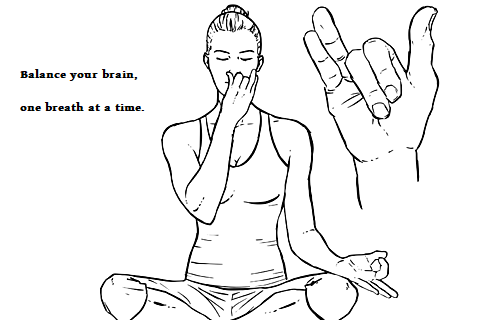
🔹 Close your right nostril with your thumb and inhale deeply through your left nostril (for 4 seconds).
🔹 Close your left nostril with your ring finger. Release your right nostril, and exhale through your right nostril (for 4 seconds).
🔹 Inhale through your right nostril (for 4 seconds).
🔹 Close your right nostril again, release your left nostril, and exhale through your left nostril (for 4 seconds).
🔹 Repeat this cycle for at least 5 minutes to feel the full effects.
Why Alternate Nostril Breathing Works Wonders:
✔ Enhances focus and mental clarity – Perfect before studying, working, or brainstorming sessions.
✔ Reduces stress and anxiety – Engages the parasympathetic nervous system for a calming effect.
✔ Improves cognitive ability – Studies suggest it can enhance reaction time and brain processing speed.
✔ Lowers blood pressure – It helps regulate the autonomic nervous system. This leads to a calmer, more relaxed state (International Journal of Yoga, 2013).
When to Use Alternate Nostril Breathing:
✔ Before an exam, presentation, or important task – Increases focus and alertness.
✔ When feeling overwhelmed or anxious – Grounds you and restores a sense of calm.
✔ Before meditation or mindfulness practice – Prepares the mind for deep introspection.
✔ After a long day of screen time – Clears mental fog and refreshes the brain.
When and How to Use Breathwork for Optimal Benefits
🔹 Morning → Start your day with alternate nostril breathing for focus.
🔹 Before a stressful event → Use box breathing to stay calm under pressure.
🔹 Before bed → Do 4-7-8 breathing to fall asleep faster.
Breathe With Purpose, Live With Ease
Your breathing is more than just a reflex. It is a powerful tool for improving your mental clarity. It also enhances emotional stability and physical health. The way you breathe influences everything. It affects how well you handle stress. It determines how sharp your brain functions. It impacts how deeply you sleep. It even influences how energized you feel throughout the day.
What is the best part? These techniques are free, straightforward, and scientifically proven to work. There’s no fancy equipment. There are no expensive courses. It’s just you, your breath, and a few mindful minutes each day.
🚀 Start small. Choose just one technique to try today, like 4-7-8 breathing before bedtime or box breathing before your next big meeting. Consider how it alters your focus, soothes your nerves, or improves your sleep. Then, build from there.
Your breath is the remote control for your mind and body. Use it wisely, and you’ll find yourself living with greater ease, clarity, and control.
💬 Which breathing technique will you try first? Let us know in the comments!
📢 If you found this helpful, share this article with a friend. They may need a little more calm and focus in their life.
🔗 Want more mind-body wellness tips? Explore our latest articles on Health Flow Hub and take control of your well-being today.

Leave a comment