
Navigating nutrition can feel like a maze of conflicting information. Here’s a streamlined approach based on current research and personal insights that can help you make healthier choices without feeling overwhelmed. A healthy diet does not mean starving yourself or eating specific foods all the time, all it is a matter of planning. Enjoy eating healthy and tasty meals. Let’s dig right in!

1. Prioritize Whole Foods for Nutrient Density
Whole foods like fruits, vegetables, whole grains, lean proteins, and healthy fats are foundational to a balanced diet. These foods are nutrient-dense, delivering more vitamins, minerals, and fiber per calorie, compared to processed options. Consuming a variety of colorful fruits and vegetables ensures a range of nutrients and antioxidants, which are essential for cellular repair, immune support, and overall health.
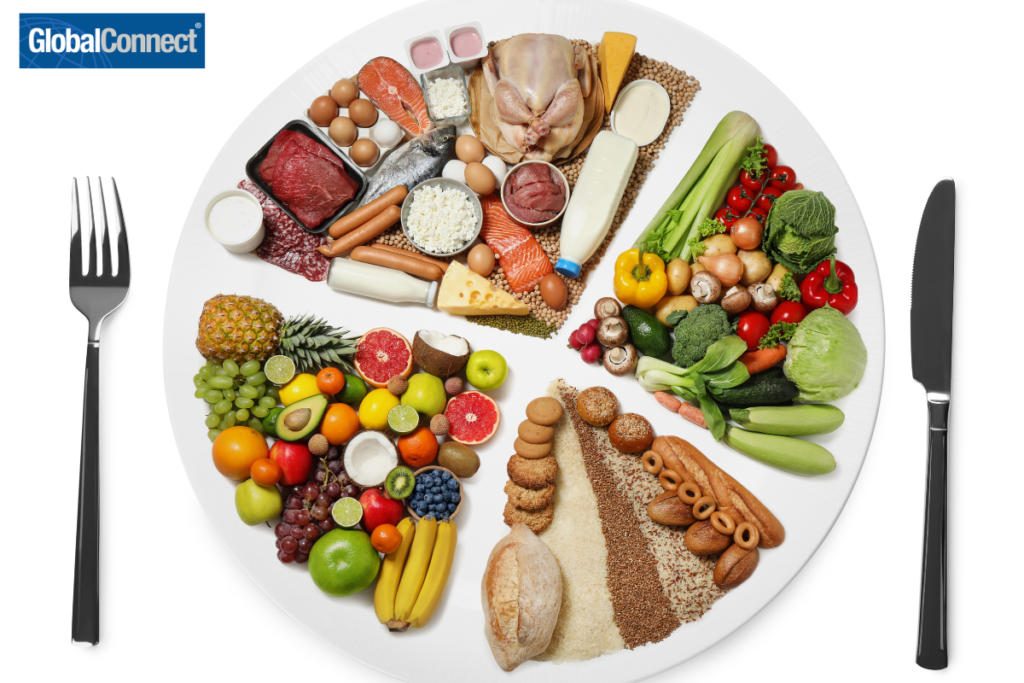
When I switched to a whole-food-based diet, I felt more energetic and noticed improvements in my skin and digestion.
2. Balance Macronutrients for Sustained Energy
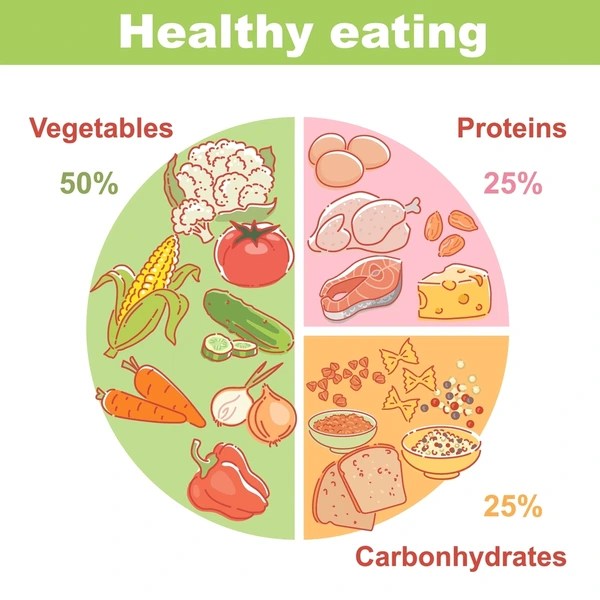
Every meal should include a balance of macronutrients: carbohydrates, proteins, and fats. Each serves a unique role in the body:
- Carbohydrates: Your body’s main energy source; opt for complex carbs (e.g., quinoa, brown rice) for lasting energy.
- Proteins: Essential for muscle repair, hormone production, and satiety. Lean meats, beans, tofu, and eggs are excellent choices.
- Fats: Support brain health and hormone production. Prioritize unsaturated fats from sources like avocado, nuts, seeds, and olive oil.
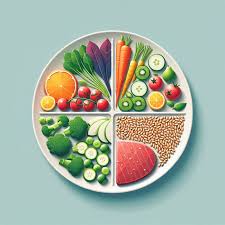
Studies show that a balanced macronutrient intake can help reduce cravings, stabilize blood sugar, and sustain energy levels throughout the day.
3. Mind Portion Sizes
Portion control can be challenging but is crucial for maintaining a healthy weight and preventing overeating. Even healthy foods, when over-consumed, can contribute to weight gain. Using smaller plates, measuring servings, and listening to your body’s hunger cues can help manage portions more effectively.
A study from the American Journal of Clinical Nutrition found that people tend to consume larger portions when given larger servings. Being mindful of portions can help manage calorie intake without feeling deprived.
4. Stay Hydrated to Support Body Functions
Water is essential for nearly every bodily function, including digestion, circulation, and temperature regulation. Staying hydrated can also aid in appetite control; often, mild dehydration is mistaken for hunger. Aim for at least eight glasses of water a day, or more depending on activity levels.

I noticed significant improvements in energy and concentration once I prioritized hydration. Keeping a water bottle with me has been key.
5. Practice Mindful Eating
Mindful eating encourages focusing on your food and tuning into your body’s hunger and fullness signals. This approach can prevent overeating and help you enjoy your meals more fully. To eat mindfully, avoid distractions like scrolling on your phone or watching TV during meals.

Studies published in Appetite and Journal of Obesity suggest that mindful eating is associated with healthier food choices and lower BMI.
6. Incorporate More Plant-Based Foods
Plant-based foods are rich in fiber, vitamins, and minerals, which benefit heart health, reduce inflammation, and improve digestion. You don’t have to go fully plant-based; simply incorporating more legumes, nuts, seeds, and vegetables into your meals has positive health effects.

Adding more plant-based meals to my routine helped reduce bloating and provided a noticeable energy boost.
7. Limit Processed Foods and Added Sugars
Processed foods often contain added sugars, unhealthy fats, and artificial ingredients. Excess sugar has been linked to weight gain, cardiovascular disease, and insulin resistance. Instead of completely avoiding sweets, enjoy them in moderation and prioritize natural sources of sugar from fruits.
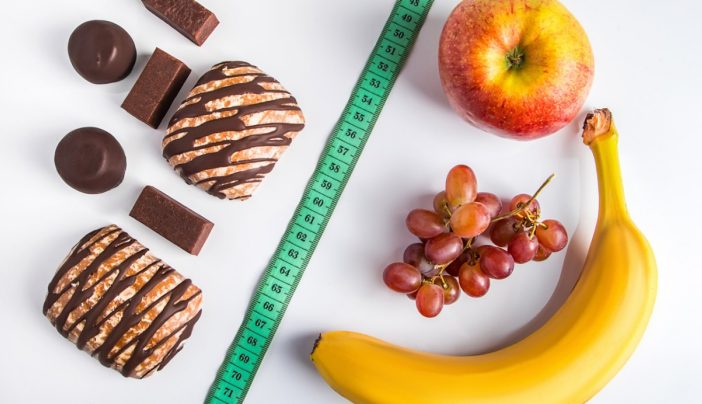
The American Heart Association recommends that added sugars comprise no more than 10% of your daily calories. Reducing sugar can benefit weight, mood, and long-term health.
8. Plan and Prep Meals for Consistency
Meal prepping can save time and keep your diet consistent. Choose a day to prepare simple, nutritious meals that you can store and eat throughout the week. This prevents last-minute unhealthy choices and makes it easier to stick to a balanced diet.

Meal prepping has been a lifesaver on busy days. I always have a healthy option available, which keeps me from reaching for less nutritious options.
9. Listen to Your Body’s Needs
Everyone’s dietary needs are unique, and your diet should evolve based on how you feel. Pay attention to your energy levels, digestion, and mood to understand which foods support your well-being. Adjust your diet based on your body’s feedback.

Studies show that intuitive eating, or listening to hunger and fullness cues, can lead to improved body satisfaction, mental health, and sustained weight maintenance.
10. Calculating Your Daily Calorie Needs for Weight Loss
Time to finally activate the calculator apps on your phone! To estimate your daily calorie needs for either weight loss or bulking up, your need to start by calculating your Basal Metabolic Rate (BMR), which is the calories your body needs at rest.
For Women:
BMR = (10 x weight in kg) + (6.25 x height in cm) – (5 x age) – 161
For Men:
BMR = (10 x weight in kg) + (6.25 x height in cm) – (5 x age) + 5
After calculating BMR, multiply by your activity level:
- Sedentary: BMR x 1.2
- Lightly active: BMR x 1.375
- Moderately active: BMR x 1.55
- Very active: BMR x 1.725
To lose weight, create a calorie deficit by consuming 300-500 fewer calories than your total daily needs. And to bulk up, aim to consume 200-400 more calories than your total daily needs.

The best diet advice comes down to balance and personalization. By focusing on whole foods, portion control, hydration, and mindful eating, you’ll be well on your way to a sustainable, nutritious lifestyle. Remember, small changes add up over time, leading to long-term health benefits and well-being. Bon Appetit!!

Flow with ease !!


Leave a reply to Overcome Depression: A Complete Guide – Health Flow Hub Cancel reply