
The Key to True Wellness
What if you woke up every day mentally sharp, physically strong, and emotionally balanced ? What sounds like the unattainable stuff of dreams is actually within reach, with no expensive gadgets or extreme diets required. True health is not about quick fixes or overnight transformations. It’s about adopting sustainable habits that take care of your mind and body. The slower the process might feel at times, the more long term benefits you can retain. That which is gained with haste, is lost with haste, take your time, and enjoy the process of self-improvement.
In this blogpost, we take a look at seven evidence-based habits that are quite easy to apply in everyday life. From sleep optimization to leveraging the magic of gratitude, each habit mentioned here can be a real game-changer. Whether you’re just starting on your wellness journey or revisiting and refining your routine, this article will equip you with actionable insight and inspiration.
1. Prioritize Sleep Like Your Life Depends on It—Because It Does
Why Sleep Is the Foundation of Health
Sleep is often underrated, but it’s just as important as diet and exercise. When you sleep, your body heals damaged tissues, strengthens memories, and builds bone and muscle while regulating hormones. Chronic sleep deprivation will do more than make you grumpy: It can weaken your immune system, impair decision-making, and even increase your risk of serious health conditions such as heart disease and diabetes.
The Science Behind Sleep Cycles
Sleep occurs in cycles that last about 90 minutes each, progressing through distinct stages (Cleveland Clinic):
- Light Sleep (Stages 1-2): Your body begins to relax, preparing for deeper sleep. In this stage you remain aware of your surroundings and slowly start drifting into the next stage.
- Deep Sleep (Stage 3): Vital for physical recovery and immune system restoration. In this stage the body heals and recovers to feel stronger for the next day.
- REM Sleep (Stage 4): Essential for mental health, creativity, and emotional processing. This is the stage that recharges your batteries so to say, when you reach this stage of the sleep cycle, that is you feel most relaxed when you wake up the next day.
Missing out on deep or REM sleep can leave you feeling physically and mentally depleted, even if you spend a full eight hours in bed. As those are when the body and mind are allowed to fully ‘shut down’, and rejuvenate for the next day.
Signs of Poor Sleep Quality
- Waking up feeling tired despite sleeping for 7-8 hours.
- Difficulty concentrating or remembering details.
- Frequent irritability or mood swings.
- Dependency on caffeine to stay awake during the day.
- Generally feeling low and depressed
Practical Tips for Better Sleep
- Establish a Routine: Go to bed and wake up at the same time every day, even on weekends. Even if you do not fall asleep at the same time each night, it is more of reprogramming the body to remain in rhythm no matter the day.
- Optimize Your Environment: Use blackout curtains, white noise machines, or essential oil diffusers with calming scents like lavender. Feel free to listen to your favorite relaxing music as well, try to focus on the melody rather than the lyrics, as this helps your mind focus on auditory ques rather than think, which may lead to late-night overstressing.
- Limit Stimulants: Avoid caffeine after 2 PM and steer clear of alcohol, which disrupts sleep patterns. Also limit your screen time before bed, as a blue light screen can disrupt your sleep cycle. If you feel you have to have a hot drink before bed, try green tea or chamomile, both relax your brain, as well as promote gut health!
- Adopt Relaxation Practices: Try guided meditation, deep breathing exercises, or reading to wind down before bed.
Bonus Tip:
Try not to use any gadgets related to electronics at least one hour before sleep. Their blue light stops this or inhibits the secretion of melatonin, generally known as the sleep hormone. Instead, prefer to have a book, highly old-fashioned, or soothing music to relax.
Did You Know?
Just one night of poor sleep can reduce your ability to focus and retain information by up to 40% (Journal of Sleep Research, 2023).

2. Feed Your Brain with the Right Foods
Nutrition: The Unsung Hero of Cognitive Health
Your brain is the powerhouse, using up some 20% of your daily energy. At its best, it requires a constant supply of high-octane fuel. Scientific evidence has repeatedly demonstrated that diets comprising whole, nutrient-rich foods improve memory, concentration, and even mood (Harvard Health, 2022). By optimizing your nutrition, you will find that you energy levels have reached stable levels throughout the day, increasing you productivity and helps maintain a positive outlook on life.
The Best Foods for Brain and Body
- Fatty Fish (Salmon, Mackerel): Packed with omega-3 fatty acids, essential for brain health and reducing inflammation.
- Leafy Greens (Spinach, Kale): High in folate, which supports neurotransmitter function.
- Nuts and Seeds (Walnuts, Chia Seeds): Rich in vitamin E and antioxidants to protect against cognitive decline.
- Whole Grains (Quinoa, Brown Rice): Provide steady energy to keep your brain sharp throughout the day.
- Dark Chocolate: Contains flavonoids that boost memory and mood.
Gut Health = Brain Health
Your gut and brain are connected by the vagus nerve; therefore, what you eat affects your mood and cognitive performance. Probiotics in yogurt, kimchi, and kombucha, along with high-fiber foods such as oats and bananas, help to cultivate a healthy gut microbiome. The better your input to your body is, the better your output to the world will be.
Practical Meal Planning
Healthy meals needn’t be complicated or time-consuming in preparation. Prepare the Sunday or any other free day in advance to ensure that you can always easily access a healthy meal every other day of the week. The process of meal prepping is enjoyable, think of it as assembling the right pieces of the puzzle, and it affords you with the knowledge of what is going into your body as well time efficient throughout the week. Gone are the days of waiting for delivery orders or driving to a restaurant, now you are your own personal chef. Check out (Healthline) on ways to make meal prepping easier!!
Quick Meal Ideas
- Breakfast: Greek yogurt parfait with granola, fresh berries, and a drizzle of honey.
- Lunch: A hearty Buddha bowl featuring quinoa, roasted vegetables, avocado, and a tahini dressing.
- Snack: Homemade trail mix with almonds, dried cranberries, and dark chocolate chunks.
- Dinner: Grilled chicken or tofu with sautéed spinach and a side of wild rice.
Myth-Busting Nutrition:
You don’t need to spend a fortune on superfoods. Staples like eggs, beans, and frozen vegetables are just as nutritious and cost-effective.
Mix and match proteins, fibers and carbs to your own liking!!

3. Practice Mindfulness to Tame Stress
What Is Mindfulness, Really?
Mindfulness is not sitting cross-legged on a mat; rather, it is the practice of being fully present in every moment, relishing a meal, taking a walk, or deepening breaths. Research has documented that it can greatly decrease levels of stress, improve focus, and enhance emotional well-being. (American Psychological Association, 2021).
The Science of Mindfulness:
Mindfulness alters the brain’s structure, shrinking the amygdala (responsible for stress responses) and strengthening the prefrontal cortex (in charge of decision-making). With repetition, these alterations can become permanent, allowing for optimal stress management and decision-making at all times.
How to Get Started:
- Breathing Exercises: Set a timer for 5 minutes and focus on slow, deep breaths. Inhale for a count of four, hold for four, and exhale for four.
- Body Scans: Lie down, close your eyes, and mentally check in with each part of your body, releasing tension as you go.
- Gratitude Journaling: Spend 5 minutes listing things you’re grateful for, big or small. Could be as small as having your health, to a roof over head, to having your dream job. Life is filled with viewpoints, choose the one with the best scenery.
Mindfulness in Everyday Life:
- During meals: Focus on the textures, flavors, and aromas of your food.
- While walking: Notice the colors, sounds, and sensations around you.
- At work: Take a 2-minute break every hour to stretch and breathe.
Advanced Mindfulness Practices
- Join a meditation class or download an app like Headspace or Calm to deepen your practice.
- Explore mindful art or journaling to engage your creative side while staying present.

4. Move Your Body Every Day
Why Movement Matters Beyond the Gym
One of the best ways to enhance mental and physical health is through exercise. In addition to increasing muscle strength and endurance, regular movement supports stress reduction, clarity of mind, and improved sleep. Exercise improves blood flow, delivering oxygen and nutrients to tissues, and releases endorphins, those feel-good chemicals that combat stress and anxiety.
How Exercise Benefits the Mind:
Research shows that people who exercise regularly experience:
- Improved mood and reduced symptoms of depression.
- Enhanced cognitive function and memory.
- Reduced levels of stress hormones like cortisol.
Exploring Exercise Options
Exercise doesn’t have to mean spending hours at the gym. Incorporating movement into your lifestyle can be as simple as finding activities you genuinely enjoy.
- Cardio: Activities like jogging, cycling, or swimming strengthen your heart and improve lung capacity.
- Strength Training: Building muscle not only improves posture but also boosts metabolism.
- Yoga: Combines physical movement with mindfulness, improving flexibility, balance, and mental focus.
- Dance: Fun and expressive, it offers both physical and emotional benefits. Join a dance class, make new friends, while improving your flexibility, stamina, and balance.
Practical Tips for Busy Lifestyles:
- Take short walks during breaks or after meals to improve digestion and refresh your mind.
- Invest in home workout equipment like resistance bands or dumbbells for quick, effective sessions.
- Break exercise into 10-minute intervals if finding a full hour is challenging.
The Science of NEAT (Non-Exercise Activity Thermogenesis):
NEAT refers to the calories burned through everyday activities like cleaning, gardening, or fidgeting. These small movements add up over time and can significantly impact your health.

5. Hydration: The Unsung Hero of Health
The Science of Staying Hydrated
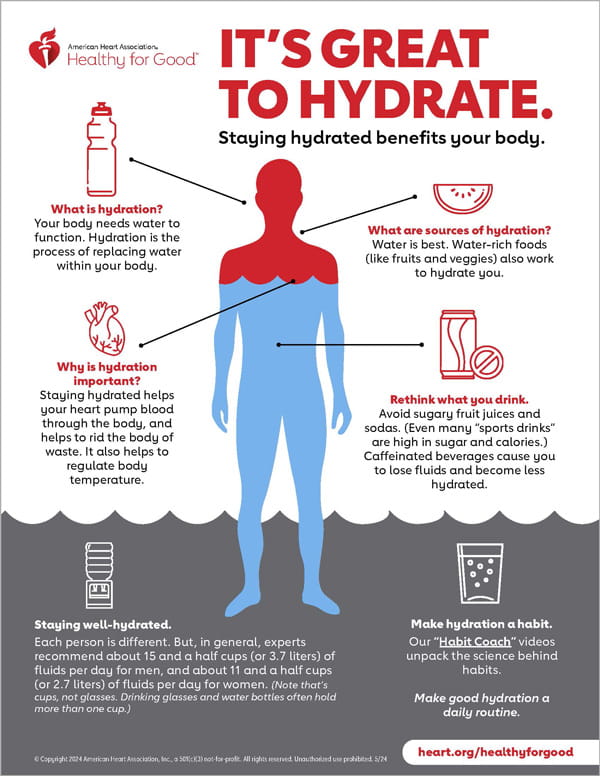
Water is essential for nearly every bodily function, from regulating body temperature to flushing out toxins and aiding digestion. Dehydration, even mild, can lead to fatigue, headaches, and difficulty concentrating.
How Much Water Do You Really Need?
The general advice to drink 8 cups (2 liters) of water daily is a good start, but individual needs vary based on factors like age, weight, activity level, and climate. Another, more precise formula is to drink half your body weight in ounces of water daily. That means a 150-pound person would aim for 75 ounces.
Creative Hydration Strategies:
- Infuse Your Water: Add slices of cucumber, lemon, or mint to make plain water more appealing.
- Set Hydration Reminders: Use apps like WaterMinder or alarms on your phone to prompt you to drink regularly.
- Eat Your Water: Snack on hydrating fruits and vegetables like watermelon, cucumbers, and oranges.
Signs of Dehydration:
- Dark yellow urine.
- Dry skin and lips.
- Persistent thirst or fatigue.
Why Hydration Improves Productivity:
Staying hydrated improves focus and energy levels, making it easier to tackle daily tasks. Next time you’re struggling to concentrate, try drinking a glass of water—you might notice an immediate improvement.
6. Connect with Others for Emotional Well-Being
Why Social Bonds Matter
People live for connecting with others; nurturing relationships is critical to psychological and emotional health. Many studies have indeed documented that people with positive social support have lower levels of stress and live longer, healthier lives. (National Institutes of Health, 2022).
The Health Benefits of Strong Relationships:
- Reduced risk of depression and anxiety.
- Lower blood pressure and heart disease risk.
- Increased resilience during challenging times.
How to Cultivate Connection:
- Schedule Regular Meetups: Make it a habit to meet friends or family for coffee, meals, or outdoor activities.
- Join a Community: Whether it’s a book club, sports team, or volunteer group, shared interests foster meaningful connections.
- Be Present: During conversations, focus on truly listening rather than thinking about your next response.
The Digital Connection Balance:
While social media can help maintain long-distance relationships, excessive use can lead to feelings of isolation. Aim to strike a balance by prioritizing in-person interactions whenever possible.

7. Embrace the Power of Gratitude
The Transformative Power of Gratitude
Gratitude is the willful act of paying attention to the good in your life, more than just saying “thank you.” It’s the training of your brain toward the positive, thus creating ripples in a better mental and emotional well-being.
What Science Says About Gratitude:
According to the Journal of Positive Psychology, one study followed people who wrote gratitude letters and found that they had better mental health for up to three months. A gratitude journal has been related to good sleep, lessened symptoms of depression, and increased happiness.
Simple Gratitude Practices:
- Daily Journaling: Write down three things you’re grateful for every morning or night.
- Gratitude Walks: Take a stroll and mentally note things you appreciate, like the sunshine, fresh air, or a friendly smile.
- Thank You Notes: Write heartfelt notes to people who’ve positively impacted your life.
Incorporating Gratitude into Family Life:
- Create a gratitude jar where everyone writes one thing they’re thankful for each day, then review them together weekly.
- Start meals by sharing something positive that happened during the day.
Long-Term Impact of Gratitude:
Over time, a consistent gratitude practice can rewire your brain to experience increased joy and contentment, even during difficult times.

Start Small and Stay Consistent
Individually, each of these habits has the power to deliver a knockout blow; collectively, they offer an overall approach to improved health. Start this week with one of these habits and gradually add others to your daily routine. Keep in mind that wellness is a marathon, not a sprint: it’s the small, consistent steps that bring lasting change.
Which habit are you most excited to try? Share your thoughts in the comments, and don’t forget to explore more transformative tips at Health Flow Hub!
And remember, Flow with ease !!

Leave a comment