
The Fitness Revolution You Didn’t Know You Needed
Just think of easily carrying heavy grocery bags up a flight of stairs, playing with your kids without pulling a muscle, or bending down to tie your shoes without that little twinge of pain. These are the things we do and often take for granted until our bodies remind us they’re not as easy as they used to be.
That’s where functional fitness comes in: training not only for the physique but to set your body up to perform better at real-life activities. Instead of going the usual route of muscle isolation like other typical routines in the gym, it emphasizes strengthening, mobilizing, and conditioning one’s self for everyday activities. This training style, as the name suggests, focuses on the how the muscle functions rather than the aesthetic of it.
Whether you are an athlete, a busy professional, or someone looking to stay agile as you age, functional fitness is a real game-changer. In this post, we’ll dive into what functional fitness is, why it’s gaining popularity, and how you can work it into your routine. By the end, you’ll feel empowered to make every workout another step toward a stronger, capable you. Now, are you ready to unleash your inner Hulk ?
Lets Begin ……
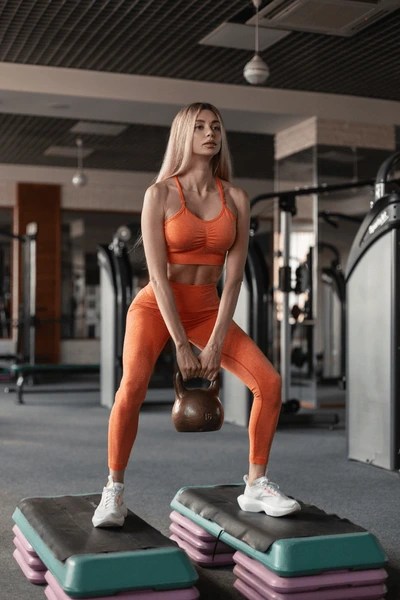
What Is Functional Fitness?
Functional fitness is a method of training that utilizes common activity movements to enhance strength, stability, and flexibility. Rather than the isolation of, say, bicep curls or leg extensions, it trains your body to work as a unit to prepare you for tasks like lifting, twisting, bending, and reaching. The exercises mimic real life movements, as it adds resistance to build strength and muscle stamina.
Defining Functional Fitness
Functional fitness is based on practical applications: bettering one’s body in performing daily activities with increased efficiency and safety. It’s a kind of fitness with a purpose: training not just for looks, but for functional strength and mobility. As you train, you will notice your muscle fibers becoming stronger and though the looks are not the target of these exercises, if you train your muscles hard enough, they have no choice but to grow !!
Key Characteristics
- Compound Movements: Engages multiple muscle groups simultaneously, such as squats, lunges, push-ups, and pull ups.
- Core Stability: Focuses heavily on core strength, which is essential for nearly every movement. As a strong core is needed for body stability, having a strong foundation makes building your body more stable.
- Real-Life Simulation: Exercises replicate everyday motions like carrying groceries, picking up objects, or climbing stairs.
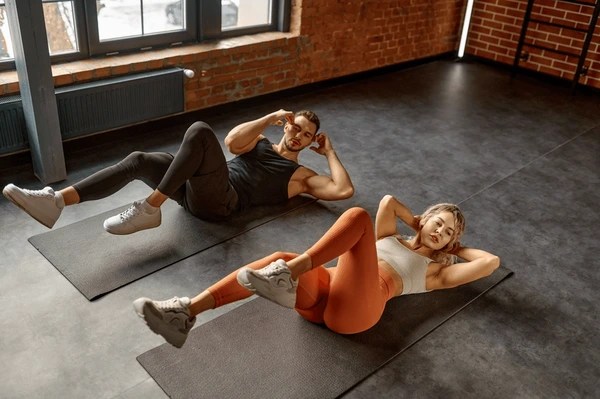
The Science Behind Functional Fitness
Functional fitness is scientifically founded, rather than a buzzword. A volume of research underpins it as being effective in the improvement of health, reducing the risk of injury, and enhancing athletic performance by availing to the practitioner the whole breadth of tools needed to enhance his physical output. Lets explore the different and diverse benefits of such a training program together.
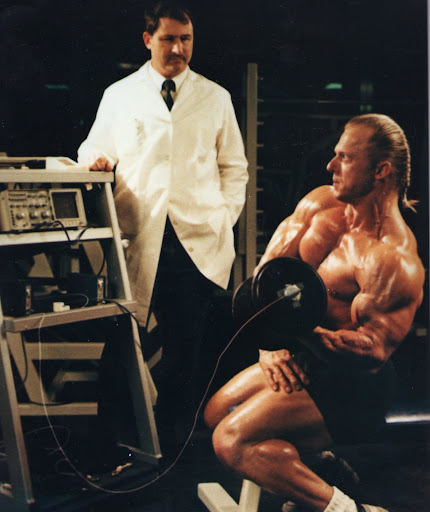
1. Improves Neuromuscular Coordination
Functional exercises strengthen your brain-to-muscle connection. In fact, research in Medicine & Science in Sports & Exercise says that functional training improves motor skills, reaction times, and coordination-especially for older adults. You feel your muscles working more when doing functional training that normal fitness programs.
2. Reduces Injury Risk
Functional training develops the small, stabilizing muscles often overlooked in regular workouts because the focus is on stability and balance. This dramatically reduces the risk of injury during workouts and daily life.(Journal of Strength and Conditioning Research, 2019).
3. Enhances Posture and Alignment
Functional exercises improve body alignment by taking care of muscle imbalances. An example could be strengthening your glutes and core to get rid of lower back pain and improve your posture. Strengthening your legs will support knee joint health and longevity of the joint.
4. Boosts Longevity
A landmark 2022 study published in The Lancet provided compelling evidence linking functional mobility to longevity and overall well-being. The findings have sparked a renewed interest in functional training as an essential part of healthy aging.
Key Findings from The Lancet Study
The study tracked over 10,000 older adults (aged 60+) across various countries for a decade, focusing on their physical activity levels and incidence of mobility-related health issues. Here’s what the research uncovered:
- Lower Risk of Falls and Fractures
Participants who engaged in regular functional training experienced a 30% reduction in fall risk compared to those with sedentary lifestyles. This is significant because falls are the leading cause of injury-related deaths in adults over 65.
- Functional exercises like balance drills and core stability movements strengthened the participants’ stabilizing muscles, reducing the likelihood of falls.
- Improved coordination from functional training also played a role in helping individuals recover their balance during sudden movements or slips.
- Enhanced Independence
Older adults who incorporated functional mobility exercises into their routines were more likely to maintain independence in daily activities like dressing, cooking, and grocery shopping. This independence contributed to higher self-esteem and mental well-being, which further supported their longevity. - Lower Risk of Chronic Diseases
The study also found that functional training reduced the risk of conditions such as osteoporosis and arthritis. Weight-bearing exercises, common in functional fitness, were shown to increase bone density and joint flexibility. - Cognitive Benefits
Regular physical activity, particularly functional training, was associated with better cognitive function and a lower risk of dementia. Researchers speculated that the dynamic and varied nature of functional exercises, which require coordination and focus, helped stimulate brain activity.
Why Functional Mobility Matters as We Age
As people age, muscle mass naturally decreases—a condition known as sarcopenia. This decline can result in reduced strength, balance, and coordination, making everyday tasks more challenging. Functional training directly combats this by focusing on movements that replicate real-life scenarios.
For example:
- Squats: Strengthen the lower body, mimicking the act of standing up from a chair or getting out of bed.
- Step-Ups: Build leg strength and balance, essential for climbing stairs or stepping onto curbs.
- Core Stabilization Exercises: Prevent back pain and improve posture, enabling better mobility.
By maintaining functional mobility, older adults can continue to lead active, fulfilling lives while reducing the physical and emotional toll of dependency.
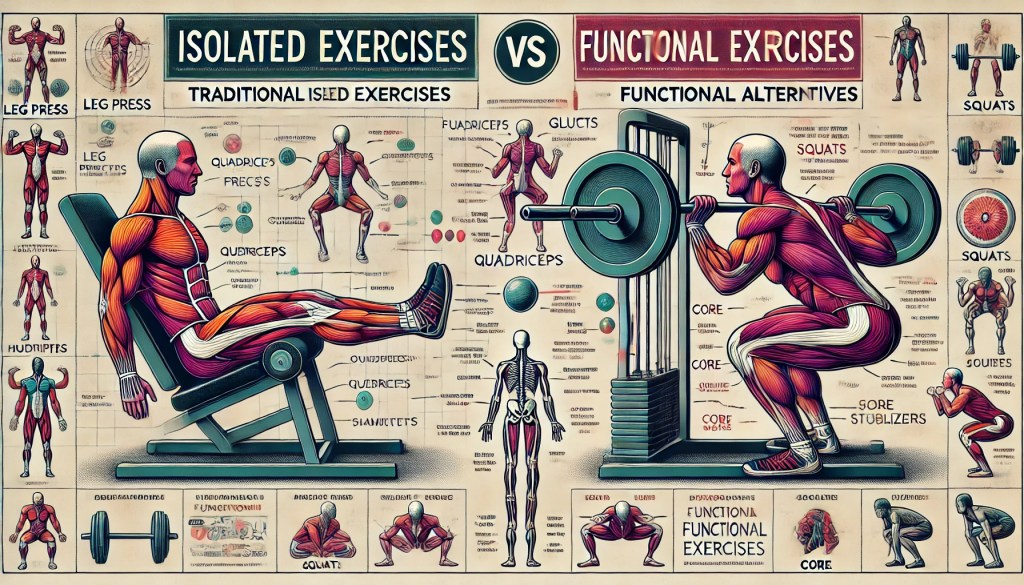
Why Functional Fitness Is the Future of Exercise
Functional fitness has become a cornerstone of modern training programs, and for good reason. A lot of athletes and fitness influences incorporate functional training into the regiment, most notably, Joe Rogan only trains using kettle bells. Its benefits extend far beyond the gym.
1. It’s Practical
Unlike traditional gym routines focused on aesthetics, functional fitness prepares you for real-world challenges. For instance:
- Deadlifts
- Gym Exercise: Deadlifts involve lifting a weighted barbell or kettlebell from the ground using proper hip hinge mechanics.
- Real-Life Application: Think of the motion involved when picking up heavy items like boxes, furniture, or a toddler.
- Practical Benefits:
- Strengthens the posterior chain, including the glutes, hamstrings, and lower back.
- Improves posture and reduces the risk of lower back injuries when lifting heavy objects.
- Enhances grip strength, essential for securely holding items.
2. Rotational Exercises
- Gym Exercise: Examples include Russian twists, woodchoppers, or cable rotations, which mimic twisting movements.
- Real-Life Application: Imagine reaching into the backseat of your car to grab a bag or twisting to retrieve an item from a high shelf.
- Practical Benefits:
- Strengthens the obliques and core, reducing strain on the spine during rotational movements.
- Enhances flexibility and range of motion, making everyday tasks smoother.
- Builds resilience against injuries caused by awkward twists or overreaching.
3. Farmer’s Walks
- Gym Exercise: Involves walking a set distance while holding heavy weights in each hand, typically dumbbells or kettlebells.
- Real-Life Application: Think of carrying heavy grocery bags, luggage, or even gardening supplies.
- Practical Benefits:
- Improves grip strength, a critical but often overlooked aspect of functional strength.
- Builds endurance in the legs and core, enabling you to carry heavy loads for extended periods.
- Strengthens stabilizing muscles to prevent imbalance and fatigue during prolonged carrying tasks.
2. Time-Efficient Workouts
Functional exercises make time efficiency possible by rolling strength training and cardio in one session. In short, ideal for busy individuals, since there could be kettlebell swings, burpees, or mountain climbers, which drive as many body muscles as possible into movement, while keeping your heartbeat up, ensuring an end-to-end full-body workout to achieve muscle strengthening and cardiovascular endurance.
This dual benefit saves time by optimizing calorie burn, stamina, and functional strength all at once. A solution for those in their busy schedules, these workouts make it possible to stay fit without having to work separately on strength and cardio.

3. Inclusive for All Ages
Functional fitness is highly versatile, suiting any age group and level of physical fitness, from a 20-year-old young adult to a 70-year-old elderly person. The exercises can easily be modified based on the needs, abilities, and goals of the individual. For beginners, bodyweight movements like squats or step-ups provide a safe entry point into strength and coordination. Where advanced athletes can add weights, resistance bands, or dynamic variations to this exercise, which tests their endurance and strength.
Functional training in older adults is particularly targeted at improvement in balance, flexibility, and mobility, decreasing the risk of falls and enhancing the ability to accomplish everyday activities. This flexibility ensures that people of all ages and fitness levels are able to benefit from functional fitness in a manner that will contribute to their personal health.

4. Builds Holistic Strength
Rather than working in isolation for size and definition, functional fitness embraces the whole concept of strengthening entirely by enhancing strength, mobility, and balance. Functional fitness integrates multi-planar exercises to provide increased total body strength that can better meet everyday demands with greater ease and fluidity.
This comprehensive approach helps everyone, from athletes striving for improved performances and fewer injuries, to parents who struggle to take better care of their children, and professionals who would like to counterbalance sedentary office work. Functional fitness equips one with the versatility and resilience needed not only to excel in everyday life but in specialized activities as well.

Key Components of Functional Fitness Workouts
To design an effective functional fitness routine, focus on these essential components:
1. Core Strength
Your core stabilizes your entire body, making it a critical focus area. Effective core exercises include:
- Planks: Strengthen your entire core and improve posture. You can do the plank in multiple ways, standard with your arms extended, forearm plank, knee plank, side plank, or a single-leg plank. Choose the form that is manageable to you, yet provides a challenge. Don’t be scared to experiment !
- Dead Bugs: Build coordination between your upper and lower body. Might feel easy at first, but as the seconds roll by, the burn starts building up at your core. Aim for 1 minute and go from there.
- Russian Twists: Enhance rotational strength. Start with body weight to start, then add more and more weight as your core becomes stronger.
2. Compound Movements
Functional fitness emphasizes compound exercises that engage multiple joints and muscles. Examples include:
- Squats: Improve leg strength, hip mobility, and balance. Either stationary or dynamic body weight or weighted, this is the optimal workout for your lower body>
- Push-Ups: Build upper body strength and core stability. Try different variations of old reliable to be keep your body guessing.
- Kettlebell Swings: Develop power and endurance. Recommended by Joe Rogen himself !
3. Balance and Stability Drills
Training your balance enhances coordination and reduces injury risk. Try these:
- Single-Leg Deadlifts: Improve ankle stability and strengthen your posterior chain.
- BOSU Ball Exercises: Challenge your balance while engaging stabilizing muscles.
4. Flexibility and Mobility Work
Functional fitness isn’t complete without mobility exercises that keep your joints healthy, these give you joints longevity, while relaxing the muscles after a workout. Include yoga poses or dynamic stretches like:
- Cat-Cow Stretches: Improve spinal flexibility.
- Hip Openers: Enhance lower body mobility.
- Shoulder Circles: Reduce tension and improve range of motion.
How to Get Started with Functional Fitness
Ready to dive in? Here’s how to integrate functional fitness into your routine:
1. Begin with Bodyweight Exercises
Start with exercises like squats, lunges, and push-ups to master proper form before adding weights.
2. Focus on Quality Over Quantity
Prioritize proper technique to avoid injuries. Performing 10 reps with perfect form is better than 20 sloppy ones.
3. Use Minimal Equipment
You don’t need fancy machines to train functionally. Kettlebells, resistance bands, and medicine balls are versatile tools to get started.
4. Make It Fun and Dynamic
Functional fitness doesn’t have to feel like a chore. Incorporate activities you enjoy, like playing sports or outdoor workouts, to keep things exciting.

Case Study: Real-Life Benefits of Functional Fitness
Consider Sarah, a 45-year-old mother of two who struggled with lower back pain and fatigue. After incorporating functional fitness into her routine, Sarah noticed significant improvements:
- Pain-Free Living: Her strengthened core alleviated back pain.
- Improved Energy Levels: Compound exercises boosted her stamina.
- Confidence in Everyday Tasks: From lifting heavy boxes to climbing stairs, she felt stronger and more capable.
Common Myths About Functional Fitness
Let’s address some misconceptions:

Myth 1: It’s Only for Athletes
Reality: Functional fitness benefits everyone, from beginners to seasoned gym-goers.
Myth 2: It Doesn’t Build Muscle
Reality: Functional exercises like deadlifts and kettlebell swings can build significant strength and muscle when performed consistently.
Myth 3: It’s Too Easy
Reality: Functional workouts can be as challenging as traditional weightlifting, depending on the intensity and progression.
Your Journey to Real-Life Strength Starts Today
Functional fitness is more than a workout—it’s a lifestyle approach to staying strong, mobile, and capable in everyday life. Whether you’re lifting kids, moving furniture, or running errands, functional fitness ensures your body is ready for whatever comes your way.
So why wait? Start incorporating functional exercises into your routine today. Share this post with a friend, and don’t forget to explore more tips on Health Flow Hub to keep your fitness journey on track.
What are your favorite functional fitness exercises? Share your thoughts in the comments below, and join our community at Health Flow Hub to learn more about living a healthier, more active life!
And remember, Flow with ease !!

Leave a Reply