
Are You Overwhelmed by Your Screens?
Do you feel like you’re always “on”? Constantly connected but strangely disconnected from the present? If this resonates, you’re not alone. The average adult now spends over 7 hours daily on screens, whether for work, social media, or streaming entertainment (Statista, 2023). That’s nearly half your waking hours spent staring at a glowing rectangle!
Excessive screen time has quietly infiltrated our lives, bringing with it a slew of consequences—from poor sleep to declining mental health and fraying relationships. But there’s hope. A digital detox isn’t just about avoiding screens; it’s about reclaiming your time, focus, and well-being.
This post will explore:
- The science behind screen time’s impact on mental health.
- Practical strategies to detox from digital devices.
- Inspiring benefits of reducing screen dependency.
- Personal insights on the transformative power of unplugging.
Ready to recharge your life by unplugging? Let’s dive in!

Why Does Screen Time Impact Mental Health?
1. Blue Light: The Silent Sleep Disruptor
We rely on screens for everything—work deadlines, binge-worthy entertainment, and even winding down before bed. But those glowing devices we adore so much are silently sabotaging our sleep. You see, screens emit blue light, a sneaky culprit that messes with your body’s production of melatonin—the “sleep hormone” responsible for guiding you into blissful rest.
Here’s the kicker: Harvard Medical School found that blue light exposure at night delays melatonin release by a shocking 90 minutes (Harvard Health, 2023). That’s like stealing an hour and a half of your sleep before your head even hits the pillow! The result? Tossing and turning, shorter sleep cycles, and waking up feeling like you need three cups of coffee just to function.
But it doesn’t stop there. Chronic sleep deprivation doesn’t just make you groggy; it wreaks havoc on your mood, fogs your memory, and chips away at your mental resilience. Over time, this sleep debt can snowball, increasing your risk of anxiety, depression, and even cognitive decline.
Here’s the good news: You can break free from the blue-light trap with a few simple tweaks to your routine.
- Flip the Switch: Turn on “night mode” or “blue light filter” on your devices in the evening. Most smartphones and laptops have this feature built-in—it’s a game-changer.
- Stylish Shields: Invest in blue-light-blocking glasses. Not only do they work wonders, but they also make you look like you’re ready to conquer the world!
- No-Screen Hour: Create a calming, screen-free wind-down routine before bed. Trade scrolling for a good old-fashioned book, some light stretching, or even a quick meditation session. You’ll thank yourself in the morning!
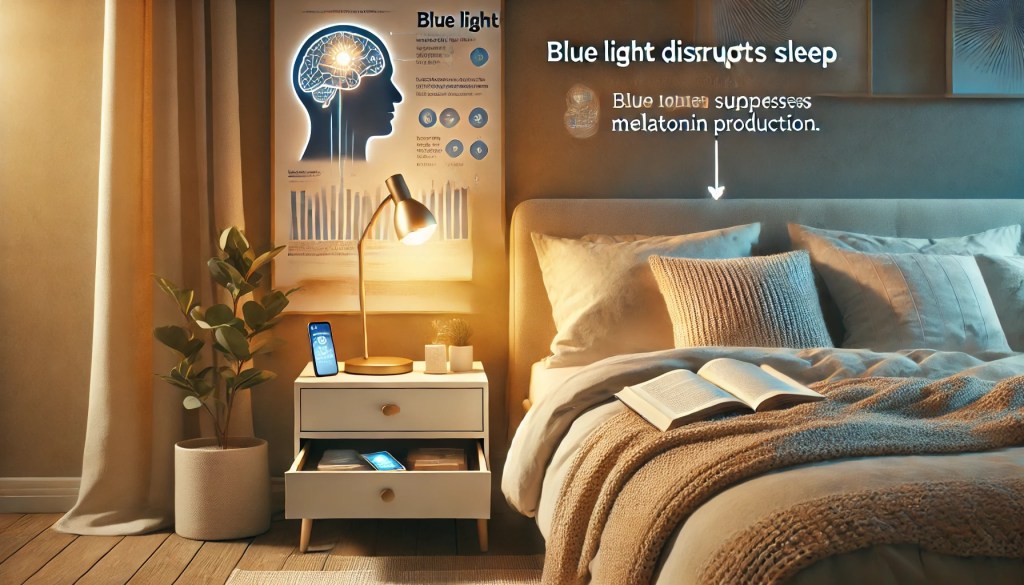
By making these small yet impactful changes, you’re not just reclaiming your sleep—you’re giving your body and mind the gift of rejuvenation. Imagine waking up refreshed, focused, and ready to seize the day—all because you took charge of your nighttime routine. Sweet dreams await!
2. The Dopamine Rollercoaster of Social Media
Social media platforms are like digital candy stores for your brain. Each like, comment, or share sets off your brain’s reward system, flooding it with a hit of dopamine, the feel-good neurotransmitter. It’s the same chemical that makes winning a game, eating your favorite dessert, or even falling in love feel amazing. No wonder that quick scroll through Instagram feels so satisfying—at first.
But here’s the catch: over time, this constant stimulation creates a vicious cycle. Your brain starts craving those dopamine hits more and more, leaving you feeling restless, distracted, and even unfulfilled during real-life, offline moments. Think of it like sugar—too much, and your body starts needing more just to feel the same buzz. In fact, researchers in the Journal of Behavioral Addictions (2022) discovered that social media addiction mirrors the same neurological pathways as gambling or substance abuse. That endless scroll isn’t just harmless fun; it’s wiring your brain to keep coming back for more.
Picture this—you’re sitting on the couch, feeling a little bored, so you reach for your phone. “Just five minutes,” you tell yourself. Fast-forward, and it’s been 45 minutes, and you’re knee-deep in TikTok videos about cats, life hacks, and the latest viral dance trend. Sound familiar? Now, imagine that happening several times a day. No wonder it feels harder to focus, get work done, or just enjoy being in the moment.
The good news? You can break free without saying goodbye to social media forever.
- Tame the Notifications: Those pings and buzzes are like digital sirens calling you back. Disable non-essential notifications and take back control of your attention.
- Time it Out: Set specific “social media windows” during your day. Maybe a 15-minute scroll after lunch or a quick check-in before dinner. Setting boundaries works wonders for reclaiming your time and mental clarity.
- Go Cold Turkey for a Bit: Try a 24-hour detox to reset your relationship with your phone. You might be surprised how refreshing it feels to disconnect.
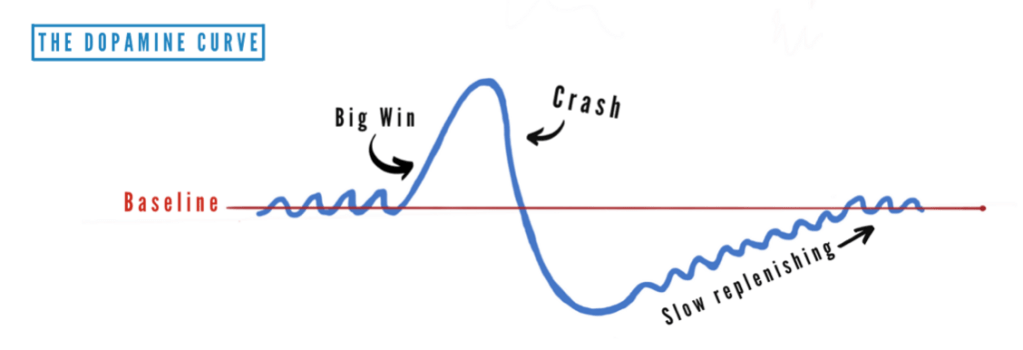
By making these simple changes, you’re not just breaking the cycle—you’re reclaiming your time, focus, and emotional balance. Imagine having the mental space to dive into that hobby you’ve been putting off or spending more meaningful moments with loved ones. Doesn’t that sound so much more rewarding than the endless scroll?
3. Cognitive Overload and Decision Fatigue
Every notification ping, email alert, or meme feels like it’s demanding VIP access to your brain. The problem? This endless barrage creates cognitive overload—your brain trying (and failing) to juggle too much at once. It’s like having 20 tabs open in your browser and wondering why everything’s running so slow. This constant mental stimulation doesn’t just make you feel scatterbrained; it actively reduces your ability to process information, focus on tasks, and make clear decisions.
And the impact is real. In a 2022 survey by the American Psychological Association, 70% of adults admitted to experiencing “tech fatigue”—that overwhelming exhaustion from being constantly tethered to digital devices. The ripple effects? Burnout, plummeting productivity, and a mental health nosedive. The digital world isn’t just cluttering your mind; it’s draining your energy and focus, leaving you feeling perpetually “on” but never truly fulfilled.
Imagine trying to read a book while someone’s poking your shoulder every two minutes. Frustrating, right? That’s what digital interruptions do to your brain all day long. It’s no wonder you feel frazzled by lunchtime and utterly wiped out by dinner.
“Cognitive overload feels like trying to juggle too many balls at once,” says Dr. Emily Carter, a neuropsychologist specializing in digital wellness. “A digital detox isn’t just about cutting screen time; it’s about reclaiming your ability to focus deeply, think clearly, and feel truly present in your own life.”
Practical Tip: Start small. Designate “focus zones” during your day where notifications are turned off, and your devices are out of reach. It might feel strange at first, but you’ll be amazed at how much clarity and calm it brings.

Taking a step back from the digital chaos isn’t just a luxury—it’s essential self-care for your brain. By reducing the noise, you’ll rediscover your ability to tackle tasks with focus and creativity, and, more importantly, enjoy moments of true peace in your day. Who wouldn’t want that?
The Life-Changing Benefits of a Digital Detox
1. Transform Your Sleep
Reducing screen exposure—especially at night—lets your body naturally regulate melatonin production, improving both the duration and quality of your sleep. According to the National Sleep Foundation, avoiding screens for just 60 minutes before bed can significantly improve sleep patterns and daytime energy levels (National Sleep Foundation, 2023).
Pro Tip: Create a bedtime ritual that doesn’t involve screens, like writing in a gratitude journal or practicing gentle yoga.

2. Boost Mental Clarity and Productivity
Unplugging helps your brain focus and prioritize tasks more effectively. A study by the University of California found that a 24-hour digital detox increased participants’ focus by 20% and boosted their overall productivity. By stepping away from screens, you allow your brain to process information more efficiently and recharge its creative energy.
Practical Challenge: Start small with a tech-free morning and observe how much more productive you feel.

3. Deepen Your Relationships
How often do we find ourselves scrolling through Instagram instead of fully engaging with loved ones? While digital platforms promise connection, they often isolate us from meaningful, real-world interactions.
Challenge Idea: Host a phone-free dinner where everyone places their devices in a box. Enjoy the deeper conversations and laughs that follow!

How to Start Your Digital Detox
Step 1: Set Boundaries
In our hyper-connected world, setting boundaries can feel like a radical act of self-care, but it’s also one of the most transformative steps you can take. Boundaries aren’t about cutting out screens entirely; they’re about carving out pockets of time where you reclaim control over your attention. These small shifts can lead to big changes in your mental clarity and relationships.
Here are some simple, effective ways to get started:
- Morning Detox: Start your day on your terms, not your inbox’s. Dedicate the first hour of your morning to being screen-free. Instead of checking notifications, try journaling, stretching, or savoring your coffee in silence. It’s a game-changer for setting a calm, intentional tone for your day.
- Mealtime Rule: Make meals a sacred, screen-free time. Whether you’re eating alone or with loved ones, keep devices out of sight. This simple habit not only improves digestion (yes, mindful eating is a thing!) but also deepens connections during shared meals.
Pro Insight:
“When I started setting screen-free boundaries, I noticed how much more present I became during meals and conversations,” shares Laura Fields, a wellness coach who helps clients implement digital detox strategies. “It’s incredible how much richness you gain by giving your full attention to the moment. The flavors of food seem brighter, and conversations feel more meaningful. It’s like rediscovering life’s hidden gems.”

By setting these boundaries, you’re not just cutting screen time—you’re creating opportunities to reconnect with yourself and those around you. These intentional pauses can make your day feel richer, calmer, and infinitely more rewarding.
Step 2: Replace Screen Time with Enriching Activities
The secret to a successful detox is filling your time with activities that engage The key to a successful digital detox isn’t just about cutting back on screen time—it’s about replacing it with activities that spark joy, feed your curiosity, and rejuvenate your mind and body. Imagine all the things you could accomplish if you swapped scrolling for something that truly enriches your day.
Here are a few ideas to inspire your screen-free moments:
- Take a Nature Walk or Hike: Feel the crunch of leaves beneath your feet, listen to birdsong, and soak in the natural beauty around you. Time spent in nature has been shown to reduce stress and improve mood (Journal of Environmental Psychology, 2021). Bonus: it’s free!
- Learn a New Skill: Always wanted to try baking, gardening, or watercolor painting? Now’s your chance! Engaging in creative or hands-on activities not only keeps your mind active but also gives you a sense of accomplishment.
- Dive into a Book: Dust off that novel you’ve been meaning to read or pick up a new one. Losing yourself in a good story can transport you to another world and give your eyes a much-needed break from screens.
Pro Tip:
Make a list of screen-free activities ahead of time and keep it somewhere visible, like on your fridge or desk. When you’re tempted to reach for your phone, you’ll have instant inspiration for something more rewarding.
Why It Works:
Filling your time with purposeful, enjoyable activities helps you break the cycle of boredom-induced scrolling. These moments of real engagement make life feel richer and more satisfying, leaving you energized rather than drained.

By replacing passive screen time with active, meaningful pursuits, you’re not just detoxing—you’re rediscovering the joy of being fully present in your own life.
Step 3: Gradually Build Your Screen-Free Muscle
If a full detox feels overwhelming, start small. Commit to unplugging for an hour a day and build up from there. Celebrate your wins along the way to stay motivated.
Pro Tip: Track your progress using a journal or habit tracker.

Personal Insight: My Digital Detox Journey
As someone who once spent an embarrassing amount of time glued to screens, I can attest to the transformative power of a digital detox. Initially, it felt uncomfortable—like I was missing out. But as the days went by, I noticed incredible changes. I slept better, felt less stressed, and had more meaningful conversations with loved ones.
The most surprising benefit? A renewed sense of joy in the little things—watching a sunset, journaling my thoughts, or simply enjoying silence. A detox isn’t about deprivation; it’s about rediscovering the richness of life outside the digital world.
Your Turn to Detox
What’s one small step you can take today toward unplugging? Whether it’s a screen-free morning, a family dinner without phones, or simply limiting your social media time, every effort counts.
Share your detox tips or experiences in the comments below. Let’s inspire and support one another on this journey to better mental health and well-being!
Disconnecting from screens isn’t about giving something up—it’s about gaining more time for what truly matters. A healthier, happier you is just a screen-free moment away.

And remember to Flow with ease !!

Leave a comment